Social scripts are short, pre-planned phrases for navigating specific social situations, and they work well because about 70% of social narrative interventions show positive outcomes when used consistently. These social script examples will help you handle work, healthcare, social challenges, and family interactions in a way that feels more authentic, flexible, and usable in real life.
You might be here because your brain goes blank exactly when you need words most. You know what you mean, but in the moment you either over-explain, freeze, agree to something you didn't want, or leave the conversation replaying it for hours. That's where social scripts help. They give you a starting point, not a fake personality.
Used well, social script examples reduce uncertainty and make hard conversations more manageable. They aren't about masking or sounding robotic. They're about protecting your energy, making your needs clearer, and giving yourself a way to pause, opt out, or ask for support when a conversation gets too big. If safety is part of the picture in online or in-person interactions, it also helps to review practical personal safety tips for communication and connection.
Research summarized by Magnet ABA notes that social script interventions show positive outcomes in roughly 70% of cases, especially around communication, play, emotion recognition, and reducing challenging behavior, while also noting that more rigorous research is still needed, especially for adults, as explained in this overview of evidence on using social scripts to support new situations.
1. Workplace Boundary-Setting Scripts
At work, the hardest part usually isn't knowing your limit. It's saying it in a way that feels clear without sounding harsh. A good script lets you protect your bandwidth before you hit shutdown, resentment, or a backlog you can't untangle.
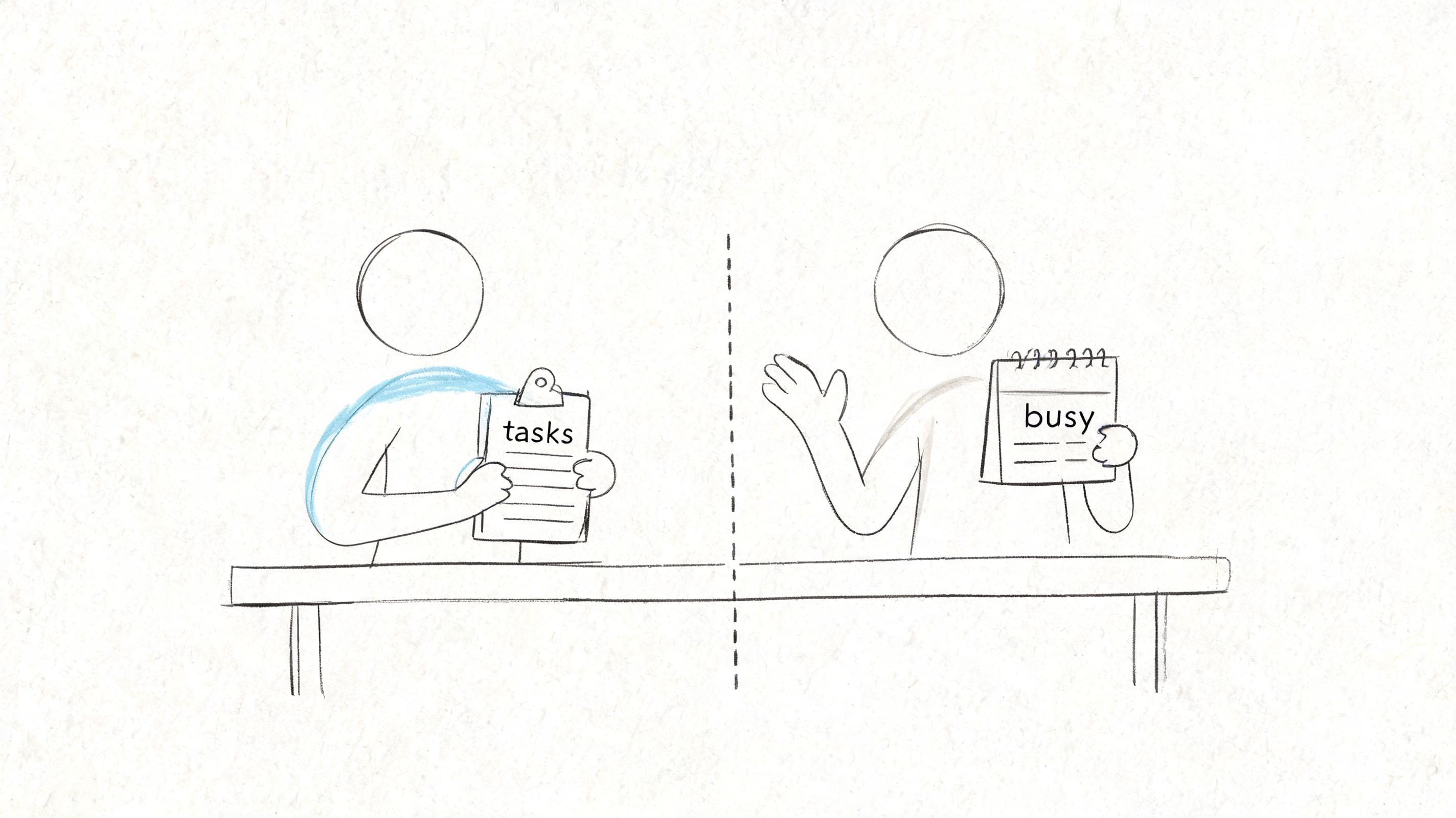
An autistic developer might say, "I do my best work with fewer live interruptions. Could we keep non-urgent updates in writing so I can respond in batches?" An ADHD employee could try, "I'm more accurate when tasks are written down. Can you send the key steps and deadline after we talk?" Someone declining a networking event might say, "I'm going to skip this one, but I'm happy to contribute by preparing notes or following up afterward."
What works at work
The best workplace scripts do three things. They state the need, give a practical alternative, and keep the tone steady. That's more effective than apologizing for half the message or explaining your full internal history.
- Set a clear limit: "I can't take this on today without delaying my current deadline."
- Offer one alternative: "If this is the priority, tell me what you want moved."
- Name the support that helps: "Written instructions will help me deliver this accurately."
> Practical rule: Boundary scripts work better when they sound like workflow preferences, not moral arguments about who's right.
What doesn't work is making the script too long or too defensive. If you say yes for too long and then send a paragraph after you're overloaded, people often only hear the frustration. Save a few versions for recurring moments like meeting overload, last-minute requests, and unclear briefs.
If anticipatory stress spikes before these conversations, rehearse the words, then regulate first. That's especially useful before reviews, accommodation discussions, or hard manager conversations.
2. Healthcare and Medical Appointment Scripts
Medical settings can scramble your recall fast. You may walk in knowing exactly what's been hard, then leave realizing you forgot the thing you most needed to say.
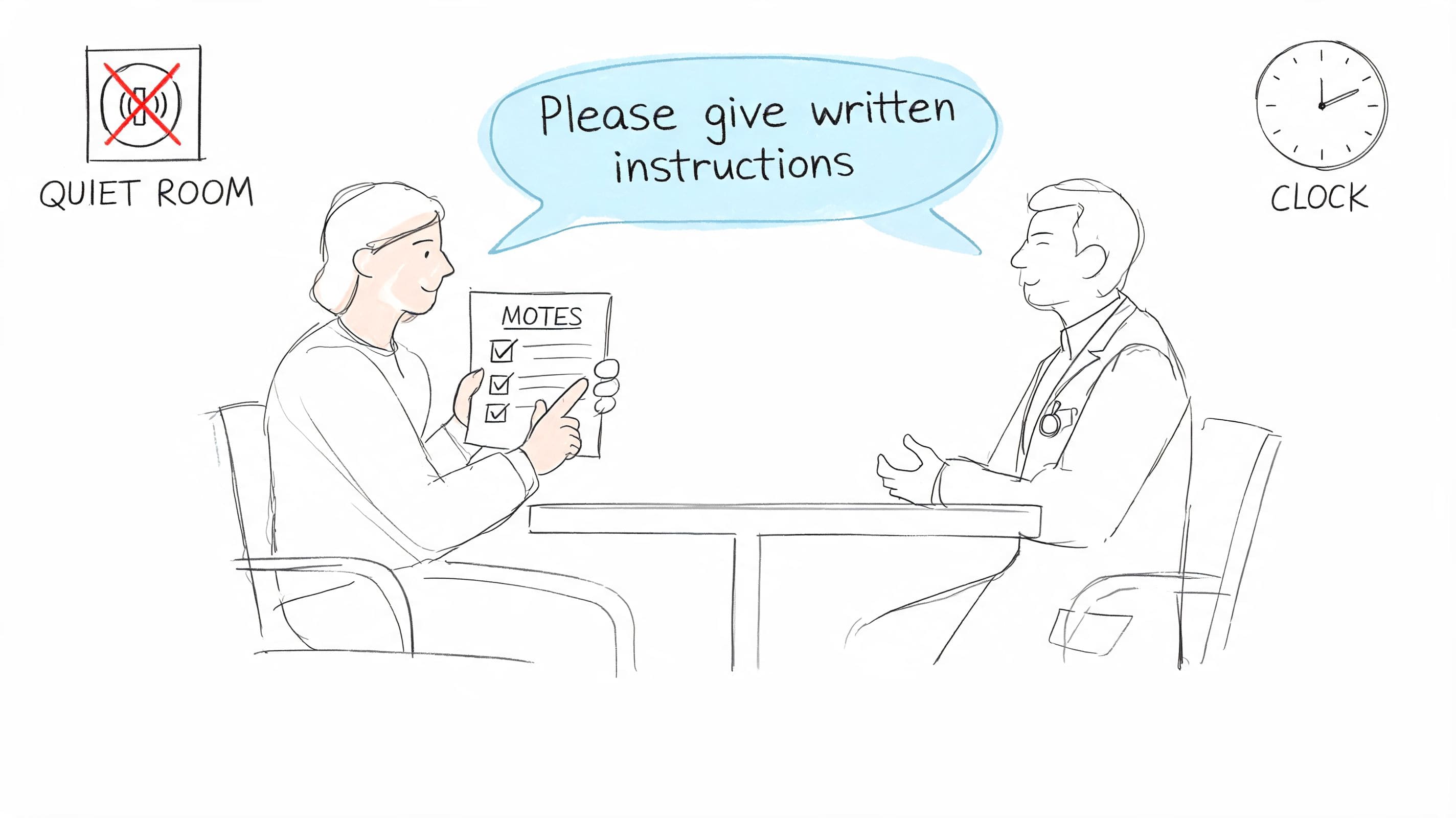
That's why healthcare scripts should be practical and literal. "I have a few main concerns and I wrote them down so I don't miss anything." "I process information better in writing. Could you give me written instructions for the next steps?" "Dental tools and bright light are sensory triggers for me. Please tell me before you touch me or start a new step."
Better than trying to improvise
A strong medical script isn't polished. It's usable under stress. It helps you avoid either freezing up or information-dumping so hard that the appointment drifts away from your actual concern.
Social-script guidance from STAR Autism Support emphasizes individualized stories, flexible language like "sometimes" or "usually," positive framing, and repeated review before problems arise, along with using formats such as photos, comic strips, and video when they help comprehension. Their write-up on how simple social scripts work in everyday support also highlights re-reading and home-school carryover as part of effective implementation.
Try building your healthcare scripts around three parts:
- State the issue plainly: "My biggest concern is executive function. I'm missing steps even when I know what to do."
- Name the barrier: "I forget verbal instructions once I'm stressed."
- Request one concrete support: "Please write down the plan before I leave."
> If you tend to minimize your symptoms in the room, write the script before the appointment and read it directly. That still counts as communicating clearly.
What doesn't work is relying on memory alone or using a script so formal that it doesn't sound like you. Keep it short enough to say while anxious. If a provider responds vaguely, ask for clarification in plain language instead of pretending you understood.
3. Social Rejection and Disappointment Response Scripts
Rejection hurts more when your brain starts filling in motives that weren't stated. A cancelled plan becomes "they're done with me," a delayed reply becomes "I was too much," and one awkward interaction becomes a whole identity story.
That's why these social script examples need two jobs. First, they protect the relationship if you want to keep it. Second, they protect you from spiraling in the first ten minutes.
Need ready-made scripts for tricky social situations? tonen can help.
tonen gives you 188+ conversation scripts, tone guidance and calming tools — designed for autistic adults, ADHD and social anxiety. Try it free for 7 days.
Download on the App StoreiOS only. Android coming soon.
A few useful lines:
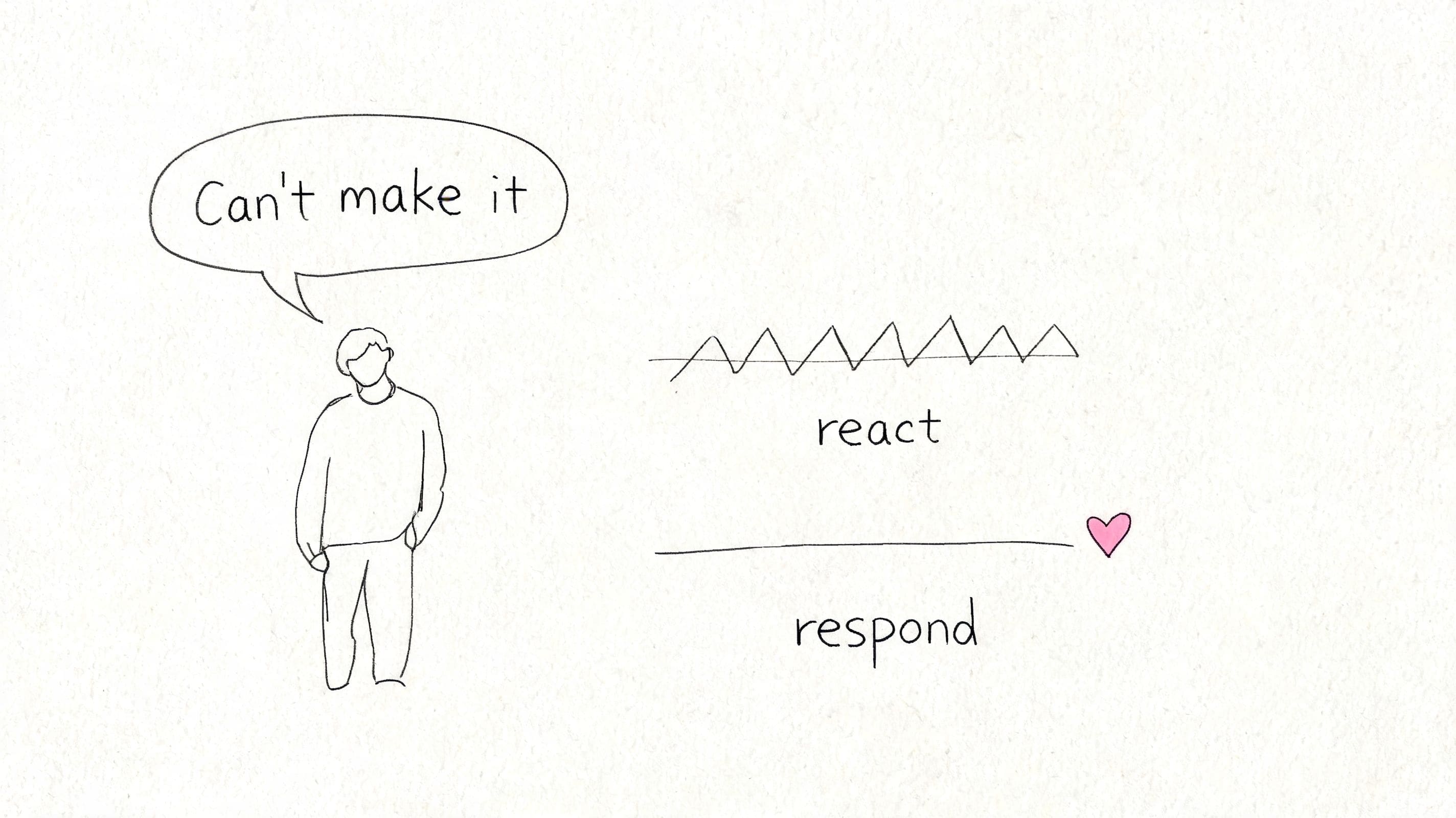
- When plans are cancelled: "Thanks for letting me know. I hope things are okay. Let me know if you want to reschedule."
- When you weren't included: "I saw the group went out. I'd like to join next time if it's open."
- When feedback online turns sharp: "I don't think this exchange is helpful for me, so I'm stepping back."
- When an inside joke leaves you out: "I think I missed context. Can someone fill me in?"
Keep dignity in the script
The biggest trap here is over-correcting. Some people chase reassurance. Others go cold and disappear. A script gives you a middle path.
Use a softer tone when you want connection. Use a firmer one when you need distance. If you're flooded, don't force a graceful response on the spot. A pause line is a valid script too: "I need a minute before I reply properly."
> A rejection script should lower the temperature, not force instant emotional resolution.
What doesn't work is demanding certainty from people who can't give it, or asking loaded questions like "Are you mad at me?" when the facts are thin. Keep your line tied to what happened. Then regulate before you decide what the event means.
4. Family Communication and Conflict Resolution Scripts
Family conversations can be the hardest because everyone thinks they already know what you mean. They often hear your current request through years of old roles, old arguments, and old assumptions.
If you're telling family about an autism diagnosis, a script like this can help: "I want to share something important. I'm autistic, and understanding that has helped me make sense of how I process stress, sensory input, and communication. What helps most is clear plans, less pressure to respond instantly, and fewer assumptions that I'm being rude when I'm overwhelmed."
If you need to skip a gathering, try: "I want to be honest before I push myself too far. I'm overloaded and can't do the event this time. I'd still like to connect another way." If an argument is escalating, use: "I'm getting too activated to keep talking well. I'm going to take a break and come back when I can be more clear."
Don't wait for a bad moment
Important family scripts land better in calm conditions than in the middle of conflict. Pick a lower-stakes moment when possible. If relatives tend to interrupt, write the script in a text or note first so your main point doesn't get lost.
Sue Larkey describes a case involving a child who struggled to ask for help, using a brief visual script, "Sometimes work is hard. I can raise my hand. Teacher helps. I finish work. I feel good." In that case, task completion rose from 30% to 92% after a three-week intervention, with frustration behaviors dropping from 70% to 8%, as detailed in her discussion of promoting social understanding with social scripts. The specifics come from an education context, but the practical lesson carries over to family communication too. Short, concrete scripts often work better than long explanations.
- Lead with one need: "Please text me the plan instead of reminding me verbally."
- Name the effect: "I'm more likely to follow through when I can reread it."
- Use a pause line: "I want to continue this later, not fight about it now."
What doesn't work is trying to correct every misunderstanding at once. Family scripts are more effective when they focus on one pattern, one request, and one next step.
5. Academic and Educational Support Scripts
School systems often reward students who can self-advocate quickly, verbally, and under pressure. Many neurodivergent students can self-advocate. They just need a beat longer, clearer wording, or written follow-up.
A student asking for an extension might say, "I'm behind because I'm stuck at the task-starting stage. I'm still working on it, and I'm asking for a short extension so I can submit something accurate." For written expectations: "I understand the topic, but I need the assignment criteria in writing so I can organize my response." For disability services: "I'm requesting accommodations that support focus, processing, and follow-through. I'd like help documenting what's most useful in class and on deadlines."
Be direct with authority figures
Many students soften so much that the request gets buried. In academic settings, direct usually works better than ultra-polite vagueness. You can still be respectful without sounding uncertain about your own needs.
The National Autism Foundation recognized social scripts as an evidence-based practice in its National Standards Report, and broader evidence summarized earlier suggests they can support social competence across settings. That matters in education because scripts aren't just for playground or peer interactions. They can support communication with teachers, advisors, and support staff too.
Try using this shape for academic scripts:
- Context first: "I want to stay on track in this class."
- Specific barrier: "I miss details when instructions are only spoken."
- Specific request: "Could you post the expectations in writing?"
What doesn't work is assuming a professor will infer what you need from a vague statement like "I'm struggling a bit." If the conversation feels high-stakes, draft the script in email first. Then save successful versions so you don't have to rebuild them every semester.
6. Sensory Need Communication and Accommodation Scripts
Sensory needs are easy to dismiss because they're often invisible to everyone else. You know the lights are too sharp, the room is too loud, or the restaurant is already tipping you toward shutdown. Other people just see you "acting different."
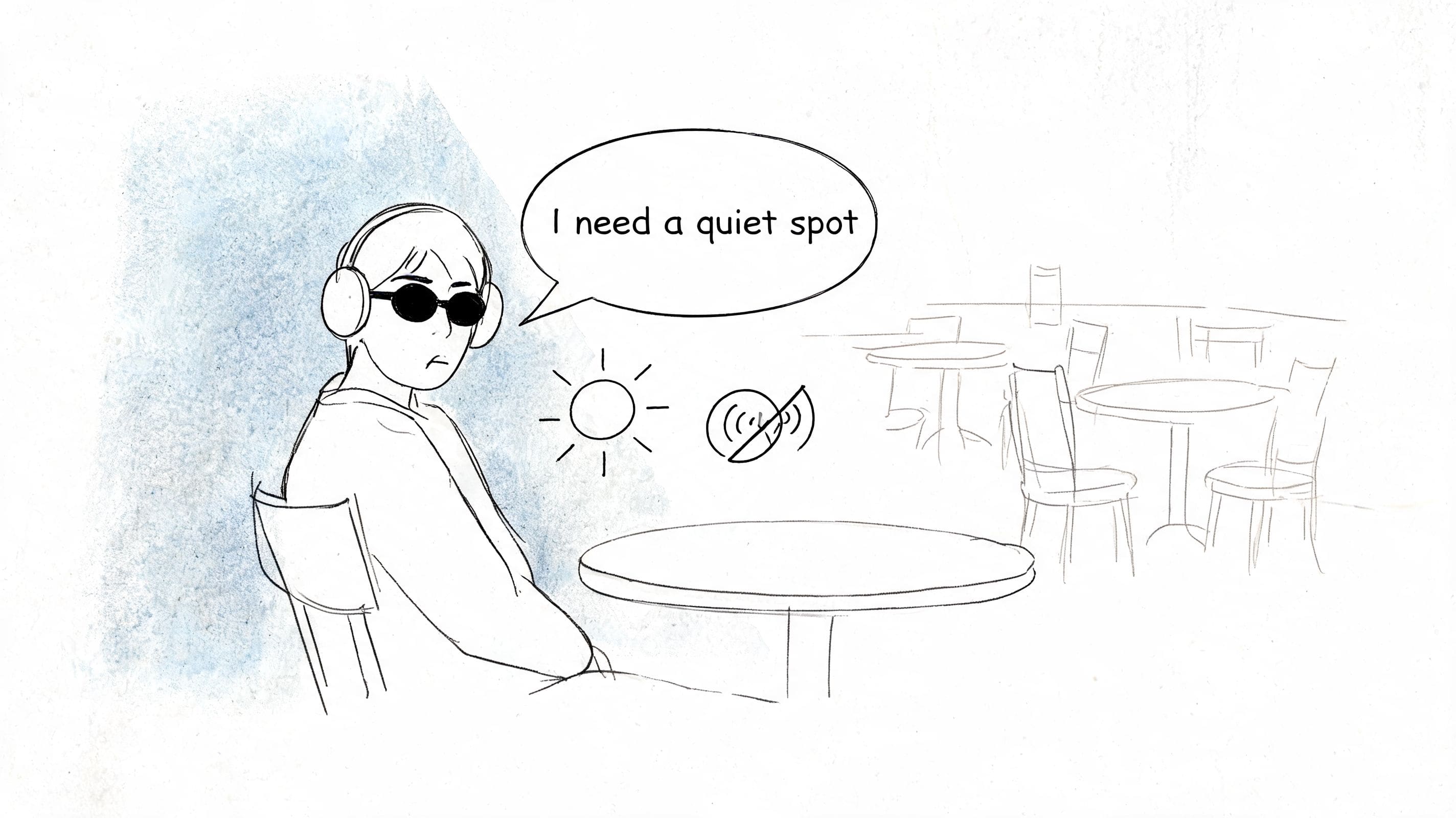
That's why sensory scripts should be simple and matter-of-fact. "Could we sit somewhere quieter? Loud spaces make it harder for me to stay present." "I'm keeping my sunglasses on because it helps with light sensitivity." "I need to step out for ten minutes so I can regulate and come back."
Ask early, not at the breaking point
Many people wait until they're already overwhelmed. Then the request comes out clipped, panicked, or too late to be useful. A script works better when you use it near the first sign of strain.
Research on social narratives from Indiana University's resources is often strong on preparation, but one gap noted in the material provided here is the lack of integration between scripts and real-time regulation tools during overwhelm. In practice, that means your sensory script should include a recovery option, not just a request.
> Your accommodation line should have a built-in exit. "I'm going to take a quiet break and rejoin if I can" is often easier to use than trying to promise you'll stay.
A few adaptable versions:
- At a restaurant: "Can we move to a quieter spot if one's available?"
- At a meeting: "I focus better with reduced glare, so I'm making a small adjustment."
- At a gathering: "I need a short quiet break. I'll check back in after I decompress."
What doesn't work is over-justifying. Most of the time, one calm sentence is enough. If someone doesn't get it, repeat the request more clearly instead of adding five new explanations.
7. Asking for Help and Support Scripts
Asking for help can feel harder than doing the hard thing alone. A lot of us learn to wait until things are urgent because asking earlier feels needy, unclear, or embarrassing.
But support scripts work best before the situation gets critical. "I'm having a hard week and could use some support. Are you available to talk?" "I'm not clear on what's expected here. Could you walk me through it?" "I need help with this task. Are you able to take one part of it?" These lines are effective because they ask for something specific without requiring a full self-defense speech.
Specific help is easier to receive
People often want to help but don't know how. If your script says only "I'm overwhelmed," the other person may freeze, offer something unhelpful, or miss the urgency entirely.
The publisher information for tonen notes that the app includes 188 scripts, with ask-for-support lines built into each one. Whether you use an app, a notes file, or index cards, that structure is useful. Build the support request into the script itself instead of hoping you'll think of it later.
- Name the type of help: emotional support, clarification, practical help, or advocacy.
- Make the ask concrete: "Can you sit with me while I make the call?"
- Add an opt-out for them: "If not, no problem. I can ask someone else."
> The most effective help scripts reduce ambiguity for both people.
What doesn't work is hiding the ask inside a long backstory or testing people by hinting. If you need help, say help. If you need clarification, ask for clarification. There's relief in being plain.
7-Point Social Script Comparison
| Script Type | Implementation complexity | Resource requirements | Expected outcomes | Ideal use cases | Key advantages |
|---|---|---|---|---|---|
| Workplace Boundary-Setting Scripts | Medium, needs tone matching and role-aware phrasing | Time to draft, practice, possible HR/manager follow-up | Clearer boundaries, fewer extra tasks, reduced burnout | Performance reviews, assignment requests, recurring meetings | Maintains professionalism while protecting wellbeing |
| Healthcare and Medical Appointment Scripts | Low–Medium, requires accurate medical details and flexibility | Prep of history/meds, written notes, optional support person | Clearer symptom reporting, better accommodations, improved records | Doctor/dental/mental-health visits, test result discussions | Reduces appointment anxiety and forgotten details |
| Social Rejection and Disappointment Response Scripts | Low, brief, dignity-preserving responses | Practice, Calm Kit grounding tools | Less rumination, preserved self-esteem, reduced reactivity | Canceled plans, exclusion, critical comments online | Prevents shame spirals and over-apologizing |
| Family Communication and Conflict Resolution Scripts | High, entrenched dynamics often need repeated attempts | Rehearsal, Calm Kit, educational resources, possibly mediator | Improved understanding over time, reduced family conflict | Disclosing diagnosis, boundary-setting at gatherings, de-escalation | Helps disclose needs while protecting relationships |
| Academic and Educational Support Scripts | Medium, may require formal documentation and follow‑up | Prepared scripts, disability services contact, rehearsal | Higher likelihood of accommodations, reduced academic anxiety | Requesting extensions, clarifying assignments, disability meetings | Clarifies needs to educators and documents requests |
| Sensory Need Communication and Accommodation Scripts | Low–Medium, short lines but venue-specific adaptation helpful | Pre-written lines, practice, Calm Kit for in-the-moment use | Reduced sensory overwhelm, better participation and comfort | Loud events, meetings, restaurants, family gatherings | Enables proactive accommodation without long explanations |
| Asking for Help and Support Scripts | Low–Medium, requires specificity and emotional readiness | Practice, Warm-tone phrasing, Calm Kit for vulnerability | Stronger support networks, less isolation, clearer help requests | Requesting practical help, emotional support, clarifying expectations | Makes help-seeking manageable and builds trust |
Putting Your Scripts into Practice
The most useful thing to remember is that social scripts are not lines you obey. They're tools you adapt. The script is there to reduce friction between what you mean and what comes out when you're stressed, rushed, overstimulated, or emotionally flooded.
That flexibility matters. Good social script examples leave room for different tones, different relationships, and different energy levels. A direct version may work with a professor or manager. A warmer version may feel better with family or friends. A softer version may help when you're making a request in a fragile moment. Sometimes the best script is an opt-out line, not a full conversation. If setting limits with others is a recurring challenge, our dedicated guide on boundary scripts goes deeper on wording for work, family, and relationships.
This is also where people get stuck. They look for the perfect sentence and forget that delivery depends on context, repetition, and regulation. Social scripts tend to work better when they're short, positive, and reviewed before the hard moment arrives. That fits broader best practices in script design, including flexible wording and regular rereading rather than only reaching for a script once things have already gone sideways.
There's also a practical lesson from the evidence and case examples mentioned earlier. Scripts help most when they target a real communication barrier, not when they're written to sound impressive. If asking for help is the hard part, write that line. If pausing is the hard part, write the opt-out. If tone is the hard part, save two versions and test which one feels like you.
You don't need to hold all of this in your head. Save your best scripts where you can reach them easily. Rehearse them privately. Keep a few for work, healthcare, school, family, and moments of overload. If you already use tools to prepare for conversations, something like meeting notes captured with WhisperAI can also help you track what was said so you're not reconstructing it later from memory.
If you want a more structured way to do this, tonen is one option built around this exact use case. It includes a library of scripts across work, health, family, education, and social situations, plus tone variations, opt-out lines, private rehearsal, and calming tools for moments when the words alone aren't enough. That combination makes sense because the real goal isn't memorization. It's clearer, calmer communication that still sounds like you.
If you want ready-to-use social script examples you can adapt instead of starting from a blank page, tonen gives you a private library of scripts for work, healthcare, family, school, and everyday social moments, along with tone options, opt-out lines, and support prompts that can make hard conversations easier to start.
Frequently asked questions
A planned phrase or flow for a situation—ordering food, declining plans, asking for clarification—so you spend less working memory on wording under stress.