This curated list explores the best apps for social anxiety, offering practical, on-demand support right from your phone. Whether you need to prepare for a nerve-wracking presentation, manage anxious thoughts during a social gathering, or simply want to build everyday communication confidence, these applications provide targeted features designed to help you feel more in control. We cut through the noise of the app stores to bring you a focused, in-depth analysis of what truly works. Instead of just listing names, we dive deep into each application, evaluating its unique strengths, core features, and ideal user. If budget is a factor, compare these picks with our list of free anxiety apps that still include CBT-style and grounding tools.
1. tonen
tonen distinguishes itself as one of the most practical and thoughtfully designed apps for social anxiety, particularly for neurodivergent users. Created by a neurodivergent developer, it moves beyond generic social skills coaching to provide a robust, privacy-focused toolkit for managing real-world conversations. Its core strength lies in its extensive library of over 188 pre-written scripts, which arm users with precise, adaptable language for a wide range of scenarios, from professional meetings to personal health discussions.
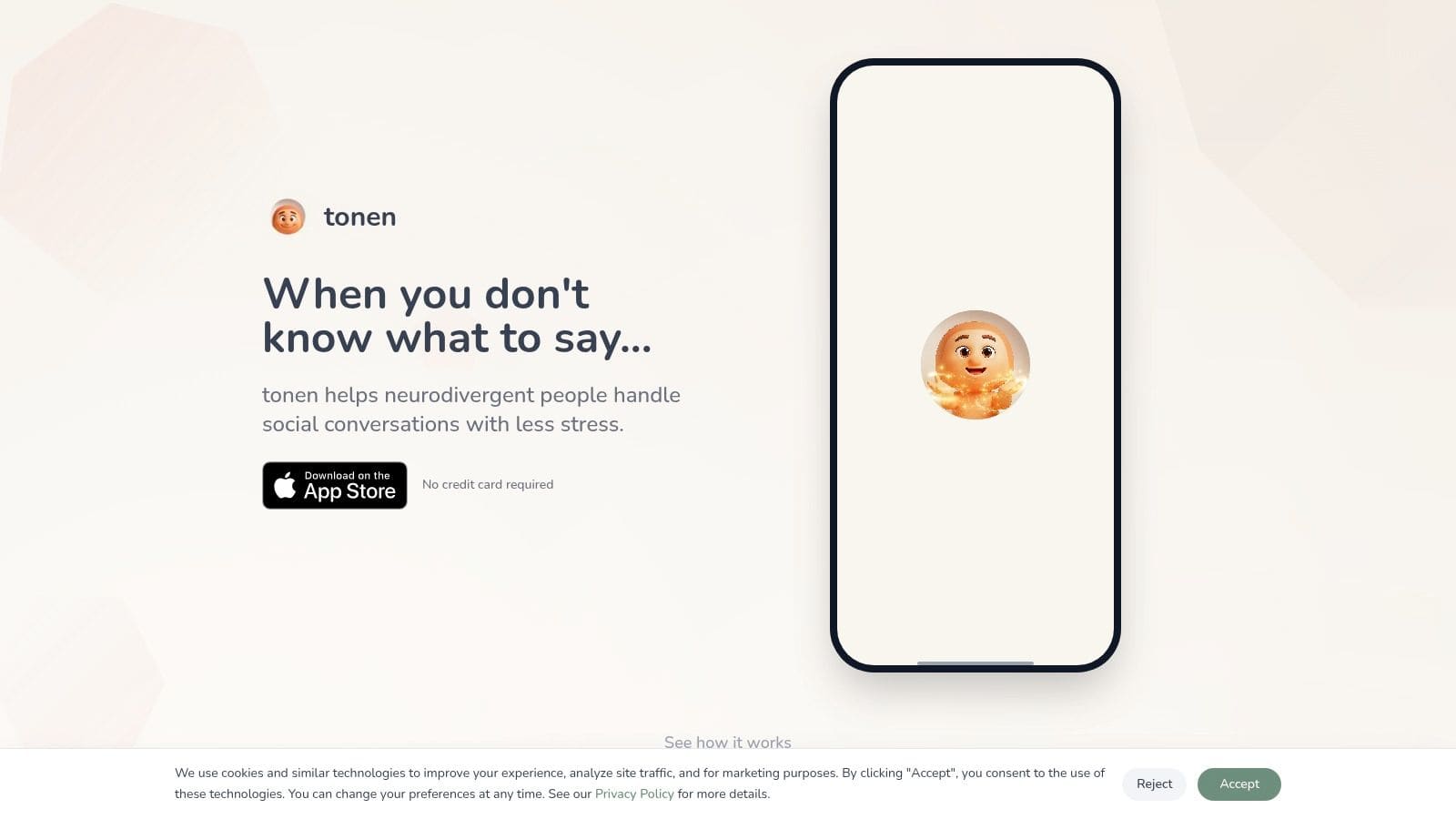
What elevates tonen is its multi-faceted approach to reducing conversational stress. Each script includes not only suggested phrasing but also options to opt-out or ask for support, empowering users to set boundaries confidently. The innovative tone settings (Direct, Warm, Firmer, Softer) allow for authentic self-expression, ensuring the words feel natural. This combination of preparation and personalization makes it an exceptional tool for anyone who struggles with finding the right words under pressure.
Standout Features and Practical Use Cases
The app integrates several key features that work together to create a comprehensive support system.
* Practice Mode: This feature allows you to save specific scripts and rehearse them privately. A user preparing for a difficult conversation with their manager could use this mode to practice asking for accommodations, toggling between a "Softer" and "Firmer" tone to find what feels most comfortable and effective.
* Perspective Helper: More than just scripts, this tool helps reframe anxious thoughts about social interactions. It offers gentle interpretations and ready-to-use phrases to challenge negative assumptions, which is invaluable for mitigating the anticipatory anxiety common in social phobia.
* Calm Kit: For moments of acute overwhelm, the built-in Calm Kit provides immediate relief with guided breathing, grounding, body-scan, and visualization exercises. This feature makes tonen a useful in-the-moment resource during a stressful event, not just a preparation tool.
User Experience and Accessibility
The user interface is intentionally designed to reduce cognitive load, with a clean layout and intuitive navigation. Because all user data and scripts are stored on-device, tonen offers a high level of privacy, a critical feature for users discussing sensitive topics.
| Feature | Availability |
|---|---|
| Platform | iOS only (iPhone, iPad) |
| Pricing | 7-day free trial (no credit card required) |
| Subscription (USD) | $4.99/month or $49.99/year |
| Ideal For | Neurodivergent professionals, students, adults |
For those looking to build confidence in initiating discussions, tonen also provides helpful resources. You can find more strategies and ideas in their guide on conversation starters for introverts on usetonen.com.
Pros:
* Extensive, ready-to-use script library (188) for diverse situations
* Tone controls and opt-out options promote authentic communication
* Integrated tools (Practice Mode, Perspective Helper, Calm Kit) provide holistic support
* Privacy-first design with on-device data storage
* Interface designed to minimize cognitive load
Cons:
* Currently available only for iOS users
* Full access requires a paid subscription after the trial period
2. Apple App Store (iOS)
For iPhone and iPad users, the Apple App Store is the essential starting point for finding apps for social anxiety. It's not an app itself, but a vast, curated digital marketplace where you can safely discover, download, and manage mental health tools. Apple's strict review process provides a layer of security and quality control not always found elsewhere, ensuring the apps you download are vetted for basic functionality and privacy standards.
The platform's natural-language search is a standout feature; searching for terms like "help with social situations" or "CBT for anxiety" yields relevant results. Each app listing transparently displays user reviews, ratings, privacy labels detailing data usage, and clear in-app purchase pricing. This transparency is crucial when evaluating which tools are worth your time and money.
Practical Tips for Navigation
One of the App Store's best features is its centralized subscription management. You can easily view and cancel all active app subscriptions directly from your iOS Settings, which helps prevent unwanted auto-renewals. However, the sheer volume of choices can be overwhelming. To find high-quality apps, focus on those with recent updates, a high number of positive reviews, and detailed developer responses. Checking a developer's publisher page can also reveal if they specialize in mental wellness tools.
*
Website: Apple App Store
| Feature | Details |
|---|---|
| Availability | Pre-installed on all iOS, iPadOS, and macOS devices. |
| Pricing | The platform is free; app prices vary from free to paid with in-app purchases or subscriptions. |
| Pros | - Vetted and Secure: Apple's review process adds a significant layer of safety. - Centralized Management: Easily track and cancel subscriptions in one place. - Privacy Transparency: Clear data-usage labels on every app listing. |
| Cons | - Overwhelming Choice: The huge selection makes it hard to find the best tools. - Quality Varies: Despite reviews, some apps may lack scientific backing. |
3. Google Play Store (Android)
For Android users, the Google Play Store is the primary gateway to finding effective apps for social anxiety. As Google's official marketplace, it offers a massive and diverse catalog, from AI-driven coaching tools and CBT exposure ladders to specialized journaling and group support platforms. Its open nature fosters a wide variety of innovative mental health solutions, giving users access to a broader range of tools than more restricted ecosystems.
The platform's strength lies in its detailed app listings, which include user ratings, reviews, developer contact information, and an "About this app" section that often outlines the tool's therapeutic approach. This information is vital for anyone searching for credible resources. The frequent discounts and promotions also make premium tools more accessible, while the searchable catalog allows users to filter for specific needs, such as "anxiety tools for teens" or "workplace communication practice."
Practical Tips for Navigation
One of the most useful features is the straightforward refund process for many paid apps, which typically allows you to get your money back within a short window if the tool isn't a good fit. However, the sheer volume and variability mean you must be a discerning consumer. To find quality apps, scrutinize the update history, developer page, and user reviews for mentions of evidence-based techniques. Also, be sure to carefully review the data safety section on each listing to understand its privacy practices before downloading.
*
Website: Google Play Store
| Feature | Details |
|---|---|
| Availability | Pre-installed on most Android devices. |
| Pricing | The platform is free; app prices range from free with ads to one-time purchases and subscriptions. |
| Pros | - Broad Selection: A vast and diverse catalog of apps for social anxiety. - Frequent Discounts: Regular promotions can make premium apps more affordable. - Straightforward Refunds: Easy refund window for some purchases if an app isn't right for you. |
| Cons | - Variable Quality: Evidence base and credibility vary widely across apps. - Privacy Scrutiny Needed: Users must carefully vet each app's data and privacy policies. |
4. Wysa
Wysa is an AI-powered mental health companion designed to provide immediate, anonymous support. It uses a friendly chat interface to guide users through evidence-based techniques like Cognitive Behavioral Therapy (CBT) and Dialectical Behavior Therapy (DBT). For those seeking apps for social anxiety, Wysa offers a non-judgmental space to vent feelings, reframe negative thoughts, and practice mindfulness exercises before or after challenging social events.
The platform stands out by blending its always-on AI chat with an extensive library of over 150 self-help tools and meditations. This dual approach allows you to engage in a supportive conversation or independently browse exercises targeting specific issues like social apprehension or performance anxiety. While the AI is the core of the free service, Wysa also offers a premium subscription that connects you with a qualified human coach for personalized, text-based guidance. Its versatility makes it a strong contender, especially for those who appreciate having both automated and human support options in one place.
Looking for an app built specifically for neurodivergent people? tonen can help.
tonen gives you 188+ conversation scripts, tone guidance and calming tools — designed for autistic adults, ADHD and social anxiety. Try it free for 7 days.
Download on the App StoreiOS only. Android coming soon.
Practical Tips for Navigation
To get the most out of Wysa for social anxiety, use the AI chatbot to role-play upcoming conversations or to debrief after a social interaction that caused distress. You can type "help me with social anxiety" to access tailored toolkits. For users who also identify as neurodivergent, Wysa's structured, text-based format can be particularly comforting; you can learn more about how it serves as one of the helpful apps for autistic adults. If you subscribe to a human coach, be clear about your goals, as this will help them assign relevant exercises from the self-care library.
*
Website: Wysa
| Feature | Details |
|---|---|
| Availability | iOS, Android, and through employer/insurer programs. |
| Pricing | Free AI chatbot and basic tools; Premium subscriptions with human coaching start at around $29.99/month. |
| Pros | - Evidence-Informed: Offers a large library of self-help tools based on CBT and DBT. - Hybrid Model: Combines 24/7 AI support with optional human coaching. - Versatile Access: Available to individuals, teams, and through organizational plans. |
| Cons | - Regional Limitations: Audio/video therapy services are only available in the US and India. - Coach Availability: Matching with a human coach can be affected by time zone differences. |
5. Headspace
While not designed exclusively as one of the dedicated apps for social anxiety, Headspace is a leading mindfulness and meditation platform that equips users with powerful tools to manage the underlying stress that often fuels social fears. Its extensive library of guided meditations, short "SOS" exercises for in-the-moment panic, and structured courses on anxiety and stress can help you build a foundation of calm before entering challenging social situations. By practicing mindfulness, you can learn to observe anxious thoughts without letting them take control.
The platform stands out for its high-quality production, soothing guidance, and sheer volume of content, which is updated regularly. Programs like the "Basics" course are excellent for beginners, teaching foundational meditation techniques that can be applied to any stressful scenario. For those moments right before a social event, a three-minute breathing exercise can make a significant difference in grounding yourself. Its accessible approach makes it one of the most popular wellness tools for anxiety management.
Practical Tips for Navigation
To get the most out of Headspace for social anxiety, integrate its short exercises into your daily routine. Try a 5-minute meditation before your morning commute or use an "SOS" session if you feel a spike of anxiety before a meeting. The "Sleepcasts" and sleep-focused content are also invaluable, as poor sleep can exacerbate anxiety. Exploring its targeted courses, like "Managing Anxiety," provides structured lessons that build coping skills over time, helping you understand how to start a conversation with a clearer, calmer mind.
*
Website: Headspace
| Feature | Details |
|---|---|
| Availability | Accessible via web browser, iOS, and Android devices. |
| Pricing | Offers a free trial; subscription plans are available monthly or annually. Student and family plans are offered at a discount. |
| Pros | - Robust Content Library: Regularly updated meditations, courses, and exercises. - High-Quality Production: Well-known brand with a polished user experience. - Specialized Pricing: Discounts and partner programs make it accessible for students and families. |
| Cons | - Not a Clinical Tool: Content is self-guided and not a substitute for therapy. - Subscription Model: Requires a paid subscription for full access, which may auto-renew. |
6. Calm
While not exclusively designed as one of the dedicated apps for social anxiety, Calm is a powerful resource for managing the underlying stress and anxious thoughts that fuel social fears. Its primary strength lies in its vast, high-quality library of guided meditations, breathing exercises, and sleep content. For those whose social anxiety manifests as pre-event nerves or post-event rumination, Calm offers tools to quiet a racing mind and promote restorative sleep.
The platform is renowned for its polished interface and soothing audio, featuring content like the "Daily Calm" to build a consistent mindfulness practice. Its extensive selection of soundscapes and sleep stories can be particularly effective for creating a tranquil mental space before or after a challenging social engagement. Think of it as a tool for managing the physiological and mental symptoms of anxiety, rather than a structured program for skill-building.
Practical Tips for Navigation
To get the most out of Calm for social anxiety, use the search function to find meditations specifically tagged with "anxiety," "stress," or "confidence." The "SOS" section in the breathing exercises offers quick, in-the-moment relief for sudden spikes of panic. It's also wise to watch for promotions, as Calm frequently offers discounts through partnerships or for annual subscriptions, making it more accessible. Before committing, explore the free content to ensure its meditative style resonates with you.
*
Website: Calm
| Feature | Details |
|---|---|
| Availability | Web, iOS, Android, and other smart devices. |
| Pricing | Limited free content; Premium subscription is approximately $69.99/year or $14.99/month. Family plans and occasional lifetime offers are available. |
| Pros | - High-Quality Content: Broad, polished library for anxiety, stress, and sleep. - Accessible and Soothing: Extremely user-friendly interface and calming audio. - Frequent Promotions: Partner discounts and special offers are common. |
| Cons | - Not a CBT Program: It offers self-guided content, not a specific program for social anxiety. - Variable Pricing: Cost can differ based on where you sign up; always verify at checkout. |
7. Rootd
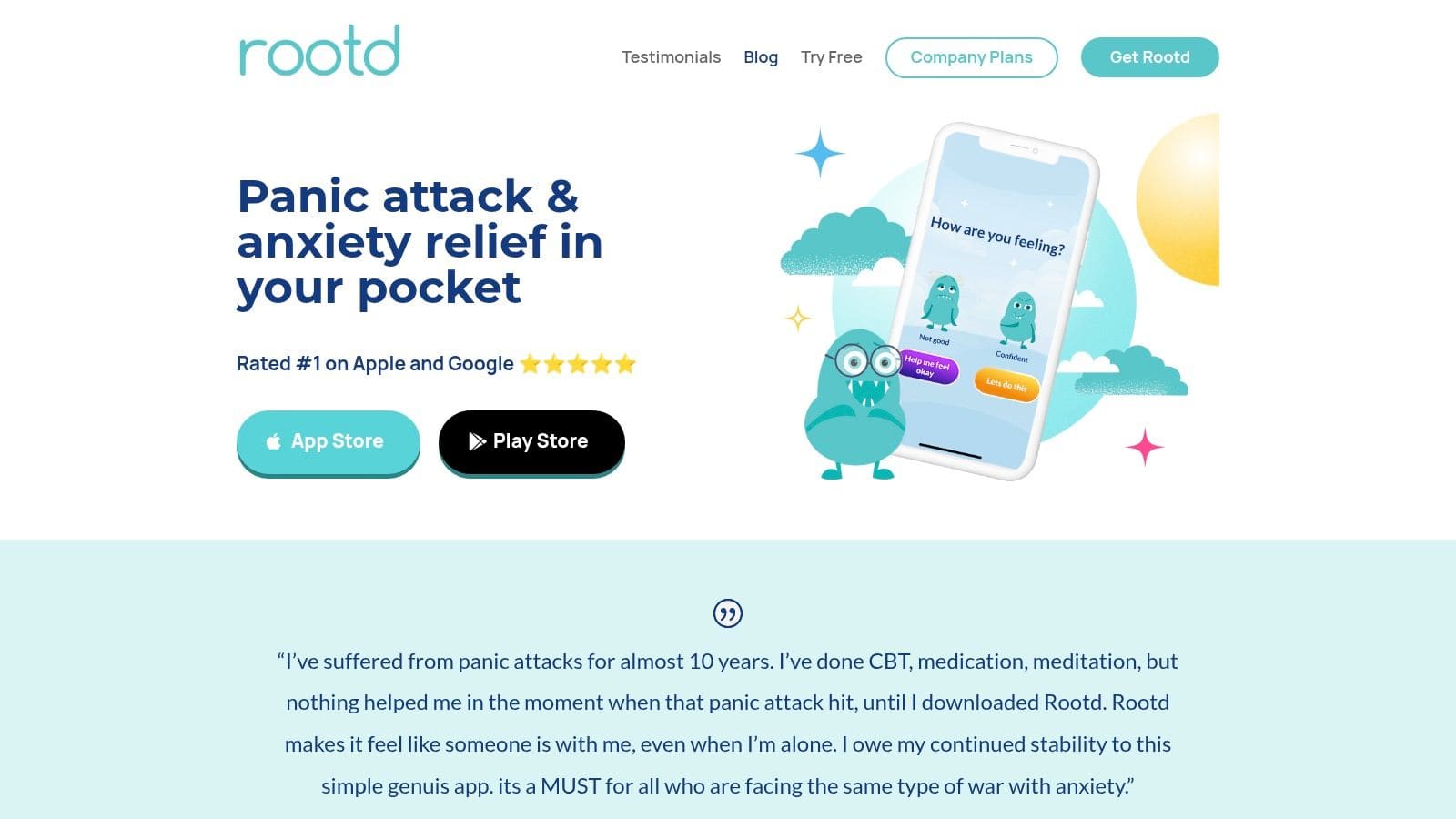
Rootd is a cleverly designed app that provides on-demand relief for panic attacks and anxiety, making it a powerful ally for those whose social anxiety manifests as acute, overwhelming fear. While not exclusively one of the apps for social anxiety, its core function is to help you regain control during intense moments. The standout feature is the "Rootr," a large red panic button that immediately guides you through grounding exercises or provides comforting affirmations, which can be a lifesaver when you feel a social situation becoming too much.
The app combines immediate, in-the-moment support with long-term skill-building. Its lessons explain the science behind anxiety in simple terms, helping demystify the body's fight-or-flight response. Tools like guided breathing, visualizations, and a journaling space allow you to build a daily routine to manage your baseline anxiety levels. This two-pronged approach makes it one of the more versatile tools for social anxiety, addressing both emergency situations and proactive wellness.
Practical Tips for Navigation
For social anxiety, use the "Rootr" button preventatively before entering a stressful situation, like a party or presentation. Running through a quick breathing exercise can set a calmer tone from the start. The journaling feature is excellent for tracking your triggers; make a note after social interactions to identify patterns in what causes your anxiety to spike. This data can help you understand your unique challenges and measure your progress over time as you apply the app's lessons.
*
Website: Rootd
| Feature | Details |
|---|---|
| Availability | iOS and Android. |
| Pricing | Free version with basic tools; premium access available via monthly, annual, or lifetime purchase. |
| Pros | - Clear, practical tools: Excellent for managing acute anxiety and panic. - Multiple access options: Flexible subscription models including a lifetime plan. - Engaging and accessible: Simple, gamified interface makes learning about anxiety less intimidating. |
| Cons | - Content behind paywall: Most in-depth lessons and tools require a premium subscription. - Less specific to social anxiety: Curriculum is broader than dedicated CBT-focused apps. |
8. DARE Response
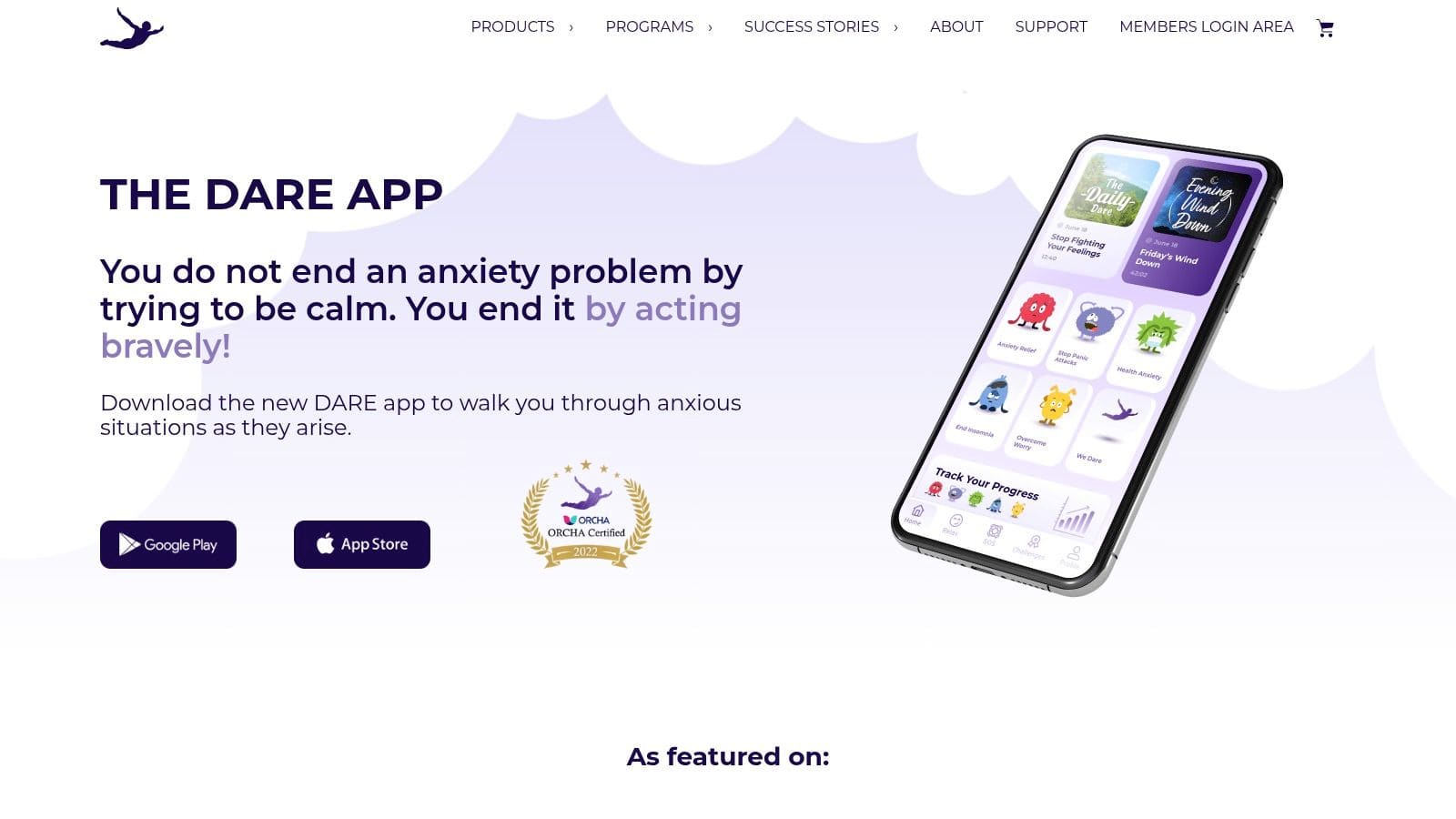
DARE Response offers a distinct, action-oriented approach among apps for social anxiety. Instead of focusing solely on calming techniques, it centers on the DARE method: Defuse, Allow, Run Towards, and Engage. This framework is designed to help you confront anxiety-provoking situations head-on, making it an excellent tool for those ready to practice exposure therapy for triggers like public speaking, meetings, or social events. The app guides you through these steps with a large library of audio content.
What makes DARE stand out is its emphasis on changing your relationship with anxiety rather than just eliminating it. It provides specific guided audios and challenges for common social fears, helping you build resilience and confidence. This practical focus is complemented by mood journaling and progress-tracking features, allowing you to see your growth over time as you tackle more challenging situations. It's an empowering alternative to more passive anxiety management tools.
Practical Tips for Navigation
To get the most out of DARE, start by identifying one specific social trigger you want to work on. Explore the "SOS" section for immediate help during an anxiety spike, and then find the corresponding module in the library to build a long-term practice. Because the platform is heavily audio-based, it pairs well with active exercises. Listen to a relevant audio before entering a social situation to prime yourself for the challenge. This active approach is a core part of effective social skills training for adults.
*
Website: DARE Response App
| Feature | Details |
|---|---|
| Availability | iOS and Android. |
| Pricing | Free limited version; Premium subscription is approximately $79.99/year or $12.99/month. |
| Pros | - Action-Oriented: Pairs perfectly with exposure practice. - Specific Modules: Addresses common social anxiety triggers directly. - Affordable: Annual plan is cost-effective with frequent promotions. |
| Cons | - Audio-Heavy: Less suitable for users who prefer interactive worksheets or reading. - No Clinician Matching: Lacks integrated professional support. |
9. MindShift CBT
MindShift CBT is a long-standing tool based on Cognitive Behavioral Therapy (CBT), originally developed by Anxiety Canada. It stands out by directly providing structured exercises for challenging anxious thoughts and building real-world exposure plans, making it one of the more clinically grounded apps for social anxiety. Users can create "fear ladders" to gradually face social situations, challenge unhelpful beliefs with thought experiments, and use grounding tools to manage acute anxiety.
The app's design guides users through core CBT principles without requiring a deep understanding of the theory beforehand. Its features, like daily check-ins and goal setting, encourage consistent practice. The community forum offers a space for peer support, which can be a valuable, low-stakes way to connect with others who share similar struggles with social anxiety. Its focus on these evidence-based techniques is a key reason it remains a relevant choice.
Practical Tips for Navigation
To get the most out of MindShift CBT, start with the "Challenging Beliefs" tool to identify your core social fears. From there, use the "Facing Fears" feature to build a gradual exposure ladder, beginning with very small, manageable steps. It's important to note that Anxiety Canada ceased operating the app in 2024, and it is now managed by 247 Labs. This transition may affect future updates, support, and pricing, so always check the current app store listing for the most up-to-date information before downloading. To learn more about the principles it's based on, you can read about Cognitive Behavioral Therapy for social anxiety.
*
Website: MindShift CBT (via Anxiety Canada)
| Feature | Details |
|---|---|
| Availability | iOS and Android. |
| Pricing | Historically free; check the current app store listing as pricing may have changed under new management. |
| Pros | - Strong CBT Foundation: Directly applies evidence-based techniques like exposure ladders. - Structured Tools: Guides users through thought challenging and goal setting. - Community Support: Offers a moderated forum for peer connection. |
| Cons | - Uncertain Future: Support and updates may be inconsistent following the change in operators. - Check Current Status: Users must verify current pricing and feature availability on the app stores. |
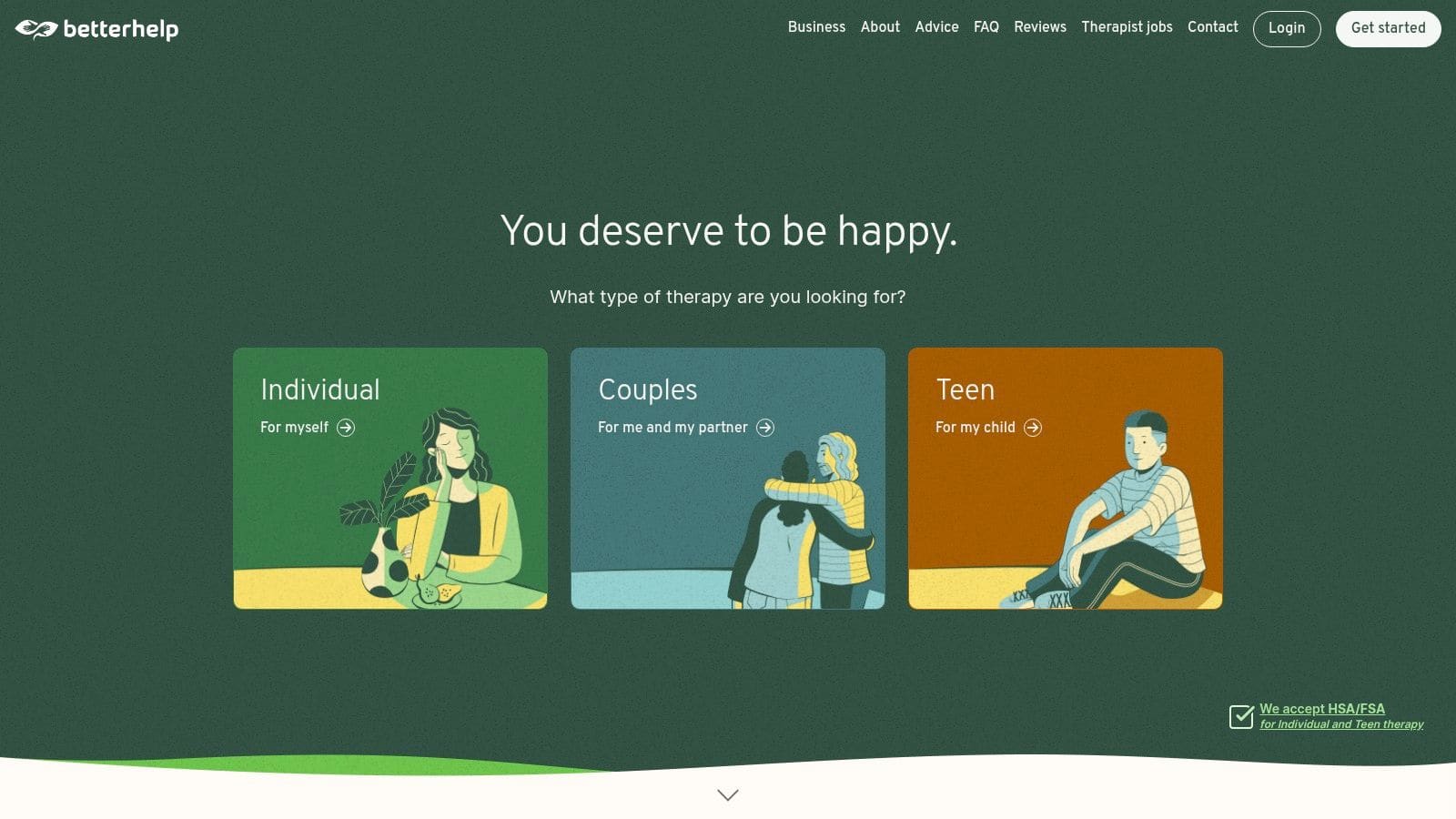
10. BetterHelp
When self-guided tools aren't enough, BetterHelp offers a direct path to professional therapy through its expansive online platform and mobile app. While not a standalone tool, it serves as a crucial resource for finding licensed clinicians who specialize in treating social anxiety. The service provides a structured way to access evidence-based treatments like Cognitive Behavioral Therapy (CBT) and exposure therapy, making it a powerful step up from typical apps for social anxiety.
The platform's core strength is its therapist-matching system and the flexibility it offers. You can connect with your therapist via live video, phone calls, or asynchronous text messaging, allowing you to choose a format that feels most comfortable. This flexible approach is especially beneficial for those whose anxiety makes face-to-face or even video interactions initially daunting. The inclusion of group sessions also provides a managed environment to practice social skills.
Practical Tips for Navigation
To get the most out of BetterHelp, be extremely specific in your initial questionnaire about your goals, particularly mentioning social anxiety and any preferred therapy types like CBT. Don't hesitate to use the option to switch therapists if the initial match doesn't feel right; finding the right therapeutic relationship is key to progress. Utilize the between-session messaging to journal thoughts or ask clarifying questions, turning the app into an ongoing support tool rather than just a weekly appointment scheduler.
*
Website: BetterHelp
| Feature | Details |
|---|---|
| Availability | Accessible via web browser and on iOS and Android devices. |
| Pricing | Subscription-based, typically billed monthly; pricing varies based on location and therapist availability. |
| Pros | - Quicker Access: Connect with licensed professionals for targeted social-anxiety treatment. - Flexible Formats: Choose between video, phone, or chat-based sessions. - Large Clinician Network: Extensive network across different time zones and specializations. |
| Cons | - High Cost: Can be more expensive than self-help apps and is often out-of-network for insurance. - Variable Fit: Therapist experience and suitability can vary, and finding the right match may take time. |
11. One Mind PsyberGuide
Before committing to a subscription, it's wise to research the science and privacy behind mental health tools. One Mind PsyberGuide is a nonprofit project that provides independent, expert reviews on hundreds of wellness apps, making it an essential resource for vetting apps for social anxiety. It evaluates them based on credibility, user experience, and transparency, giving you an unbiased look at their claims and data practices.
The platform's detailed profiles and professional commentary cut through marketing jargon. Instead of being another app store, it acts as a trusted guide, helping you compare different tools side-by-side. You can see how an app scores on evidence-based practices and how its privacy policy holds up, allowing you to make a more informed decision before you download or subscribe.
Practical Tips for Navigation
Use PsyberGuide as a starting point or a final check. If you find an app you're interested in on the App Store, search for it here to see its expert review and credibility score. Pay close attention to the "Data Privacy" section of each review, as it highlights how your personal information is handled. Since it's not a store, some reviews might be slightly dated, so always cross-reference the review date with the app's last update in its respective app store.
*
Website: One Mind PsyberGuide
| Feature | Details |
|---|---|
| Availability | Web-based platform accessible on any device with an internet browser. |
| Pricing | Completely free to use as it is a nonprofit service. |
| Pros | - Unbiased Expert Reviews: Vets apps for credibility and scientific backing. - Privacy Focused: Detailed analysis of data privacy policies is a core feature. - Helps Compare Options: Suggests alternatives if an app isn't a good fit. |
| Cons | - Not a Storefront: You cannot download apps directly; it links out to app stores. - Reviews Can Be Dated: Some app reviews may not reflect the latest updates. |
12. ADAA (Anxiety and Depression Association of America) – Mental Health Apps
For those seeking credible, professionally vetted apps for social anxiety, the Anxiety and Depression Association of America (ADAA) website is an indispensable resource. Instead of being an app store itself, ADAA acts as a trusted curator, providing a database of mental health apps reviewed by its member clinicians. This expert oversight helps you cut through the noise of crowded app stores to find tools with a stronger evidence-based foundation.
The platform's strength lies in its commitment to quality over quantity. Each app listed includes details on its treatment approach (like CBT or ACT), target audience, and key features, empowering you to make an informed choice. Beyond its app directory, the ADAA website also offers free, moderated online peer-to-peer support communities in English and Spanish. This unique combination makes it a comprehensive first stop for finding both technological tools and human connection.
Practical Tips for Navigation
When exploring ADAA's resources, use their app review chart to filter by the specific issue you're addressing, such as social anxiety or panic. Pay close attention to the "Evidence" column to understand the level of research backing each app. For direct interaction, joining their moderated support groups can provide a safe space to discuss anxieties and share experiences, complementing the self-help work you do with various tools.
*
Website: ADAA Mental Health Apps
| Feature | Details |
|---|---|
| Availability | Accessible globally via web browser. |
| Pricing | The website and its resources are free; linked apps have their own pricing models (free, paid, or subscription-based). |
| Pros | - Clinician-Vetted: Apps are reviewed by ADAA professionals, ensuring a higher standard of quality. - Community Support: Offers free, moderated peer support groups. - Evidence-Based Focus: Prioritizes apps with scientific backing and clear methodologies. |
| Cons | - Not a Direct Storefront: You are redirected to app stores to download and purchase. - Varying Costs: The apps it recommends can be paid or require subscriptions. |
Top 12 Social Anxiety Apps & Resources Comparison
| Product | Core features | UX / Quality | Unique selling points | Target audience | Price / Value |
|---|---|---|---|---|---|
| 🏆 tonen | 188 ready scripts; 4 tone options; Practice Mode; Perspective Helper; Calm Kit | ★★★★☆ privacy‑first, low cognitive load | ✨ On‑device privacy; neurodivergent‑designed scripts; opt‑out & ask‑for‑support lines | 👥 Autistic & ADHD adults/teens, introverts, neurodivergent professionals & supporters | 💰 $4.99/mo or $49.99/yr (7‑day free trial) |
| Apple App Store (iOS) | Curated listings, reviews, privacy labels, in‑app purchases | ★★★★☆ curated, safer discovery | ✨ Review+refund flow, integrated subscription management | 👥 iOS users, app shoppers, caregivers | 💰 Free to browse; app/subscription pricing varies |
| Google Play Store (Android) | Wide catalog, category filters, developer pages, promos | ★★★☆☆ broad selection; variable quality | ✨ Frequent discounts, regional pricing | 👥 Android users, bargain seekers | 💰 Free to browse; variable pricing & promotions |
| Wysa | AI chat + 150+ CBT tools; optional human coaching; Teams plans | ★★★★☆ evidence‑informed, versatile access | ✨ AI + optional human coaches; org/team plans | 👥 Individuals & orgs seeking CBT tools + coaching | 💰 Freemium; coaching/Teams paid |
| Headspace | Guided meditations; mini anxiety exercises; programs for focus/sleep | ★★★★☆ polished brand content | ✨ Rich library; student/partner discounts | 👥 General anxiety, mindfulness seekers, students | 💰 Subscription; trials & partner offers |
| Calm | Meditations, breathing, soundscapes, sleep stories | ★★★★☆ high‑quality audio/content | ✨ Extensive sleep & relaxation library | 👥 Anxiety/sleep seekers, families | 💰 Subscription; frequent promos |
| Rootd | Panic SOS, breathing, lessons, journaling, progress stats | ★★★★☆ acute‑relief focused, practical | ✨ Instant SOS tool for panic spikes | 👥 People with panic attacks or sudden anxiety | 💰 Monthly/annual/lifetime options; paid full access |
| DARE Response | Guided audios, step‑by‑step challenges, mood journaling | ★★★☆☆ action‑oriented audio library | ✨ Exposure‑focused audio programs & challenges | 👥 Users practicing exposure for social triggers | 💰 Affordable annual options; frequent promos |
| MindShift CBT | CBT tools, exposure ladders, check‑ins, community forum | ★★★☆☆ evidence‑based but transitional support | ✨ Core CBT skills; historically low‑cost | 👥 CBT self‑helpers planning exposure practice | 💰 Historically free/low‑cost; check current listing |
| BetterHelp | Therapist matching; video/chat/phone; messaging between sessions | ★★★★☆ licensed clinicians, variable fit | ✨ Fast access to licensed therapists & flexible formats | 👥 People needing targeted therapy beyond apps | 💰 Subscription therapy; often out‑of‑network |
| One Mind PsyberGuide | Independent app ratings: evidence, privacy, UX; app profiles | ★★★★☆ trusted vetting & expert commentary | ✨ Independent assessments to vet app credibility | 👥 Users vetting apps, clinicians, purchasers | 💰 Free resource; links to app stores |
| ADAA – Mental Health Apps | Curated hub, clinician education, moderated peer communities | ★★★★☆ clinician‑informed curation | ✨ Trusted nonprofit curation + peer support | 👥 People seeking vetted apps & community support | 💰 Free resource; linked apps may be paid |
Finding the Right Support for Your Journey
Navigating the landscape of digital mental health can feel overwhelming, but finding the right support is a crucial step toward managing social anxiety. As we've explored, the market for apps for social anxiety is diverse, offering a wide range of methodologies and features. Your journey is unique, and the ideal tool will be one that aligns with your specific challenges, learning style, and daily routines. The key takeaway is that technology can serve as a powerful ally, providing accessible, discreet, and structured support right from your pocket.
The most effective approach is to view these applications not as a magic cure, but as components of a broader mental wellness toolkit. They are designed to augment, not replace, professional guidance. Whether you need immediate relief during a moment of panic, a structured way to practice cognitive behavioral therapy (CBT) exercises, or a safe space to prepare for an upcoming social event, there is likely an app tailored to that need. The goal is to find a resource that empowers you to build skills, gain confidence, and reclaim a sense of control over your social experiences.
Choosing Your Starting Point
Selecting the right app from this comprehensive list requires a moment of self-reflection. Consider what aspects of social anxiety you want to address most urgently.
* For Proactive Preparation and Communication: If your primary challenge is finding the right words, managing your tone, or preparing for specific social scenarios like job interviews or networking events, a specialized tool like tonen is purpose-built for this. Its focus on providing scripts and calming tools for neurodivergent individuals and professionals makes it a standout choice for practical, real-world application.
* For In-the-Moment Panic and Anxiety: When panic strikes, you need immediate, effective relief. Apps like Rootd and DARE Response excel here, offering guided exercises and emergency support to help you ground yourself and de-escalate overwhelming feelings of anxiety quickly.
* For Long-Term Skill-Building: If your goal is to understand and rewire the thought patterns that fuel social anxiety, a CBT-focused app like MindShift CBT provides a structured, evidence-based path. Similarly, meditation and mindfulness apps like Headspace and Calm can help build a foundation of emotional regulation and present-moment awareness over time.
* For Guided Professional Support: For those who need more personalized guidance, platforms like BetterHelp connect you with licensed therapists, bridging the gap between a self-help app and traditional therapy.
Integrating Apps into Your Daily Life
Once you've chosen an app, successful implementation is key. Start small. Dedicate just five or ten minutes a day to engage with the tool. Integrate it into your existing routines, perhaps using a mindfulness app during your morning commute or using a scripting app to prepare for a meeting in the afternoon.
Remember to be patient with yourself and the process. Not every app will be a perfect fit, and that's okay. The value lies in the act of seeking support and experimenting with different strategies. Beyond digital tools, it's beneficial to explore various methods to manage your condition. For additional help, you can find a wealth of practical tips to deal with social anxiety that can complement the work you do within these apps.
Ultimately, the best tools are the ones you consistently use. They become trusted companions that help you build resilience, one interaction at a time. This journey is about progress, not perfection. Every small step you take, every new skill you practice, contributes to a future where social situations feel less like a threat and more like an opportunity for connection.
Ready to turn social preparation into your superpower? If you're looking for a tool that goes beyond generic mindfulness to provide practical scripts, tone guidance, and calming exercises for real-world conversations, explore tonen. Download tonen today and start building the confidence to navigate any social situation.
Frequently asked questions
The most effective apps for social anxiety combine cognitive tools (thought challenging, exposure tracking) with practical communication support like conversation scripts. Apps such as tonen, Wysa, and Headspace each cover different angles — the right one depends on whether your anxiety centres on specific situations or general worry.