To help someone with social anxiety, shift from vague reassurance to specific, practical support. Learn their triggers, lower the pressure in how you communicate, and help them prepare for hard moments in small, manageable steps.
You might be here because someone you care about freezes before replying to a text, dreads group plans, replays conversations for hours, or asks you to speak for them when a simple interaction feels impossible. When that happens, well-meaning individuals often reach for kind but unhelpful lines like "just relax" or "you'll be fine." What helps is more concrete: a clear question, a short script, an exit plan, a quieter option, or a chance to rehearse before the moment arrives.
That matters because social anxiety is not rare. In the U.S., 12.1% of adults have experienced social anxiety disorder at some point in their lives, and among adolescents the lifetime prevalence is 9.1%, according to National Institute of Mental Health statistics on social anxiety disorder. If you're learning how to help with social anxiety, you're learning a skill that many people around you may need, even if they never say it out loud.
Your Guide on How to Help with Social Anxiety
If you want to know how to help with social anxiety, start by replacing pressure with structure. People usually feel more supported when you offer something usable: "Want me to come with you?" "Do you want a reply drafted together?" "Would it help to stay for twenty minutes and then leave?"
A lot of supportive behavior sounds warm but lands as demanding. "Come on, it'll be fun" can feel like a test. "You need to push yourself" can sound like failure is not allowed. Social anxiety often makes uncertainty feel bigger than the event itself, so the most helpful support reduces ambiguity.
Three forms of help that usually work better
- Understand the pattern without judging it
Notice when the person gets stuck. It may be phone calls, group chats, meeting new people, work messages, ordering food, or walking into a crowded room alone.
- Use language that lowers pressure
Short questions, explicit options, and no forced urgency help. So does making it easy to say no.
- Prepare in small steps
Don't treat confidence like a switch. Break the situation into parts, such as choosing what to wear, deciding how to arrive, rehearsing one opening line, and planning when to leave.
> Practical rule: Support is most useful when it makes the next step smaller.
This is also why generic encouragement often misses the mark. A person may not need more motivation. They may need less uncertainty. They may need a phrase for declining an invitation without guilt, or a plan for what to text when they don't understand someone's tone.
The good news is that you don't need to become a therapist to be helpful. You need to become easier to approach, easier to answer, and easier to practice with.
Recognizing the Signs of Social Anxiety
Before you can help effectively, you need to notice what is happening. Social anxiety is not just "being quiet." Some people are naturally reserved and feel fine. Social anxiety usually has a stronger mix of distress, fear of judgment, and avoidance.
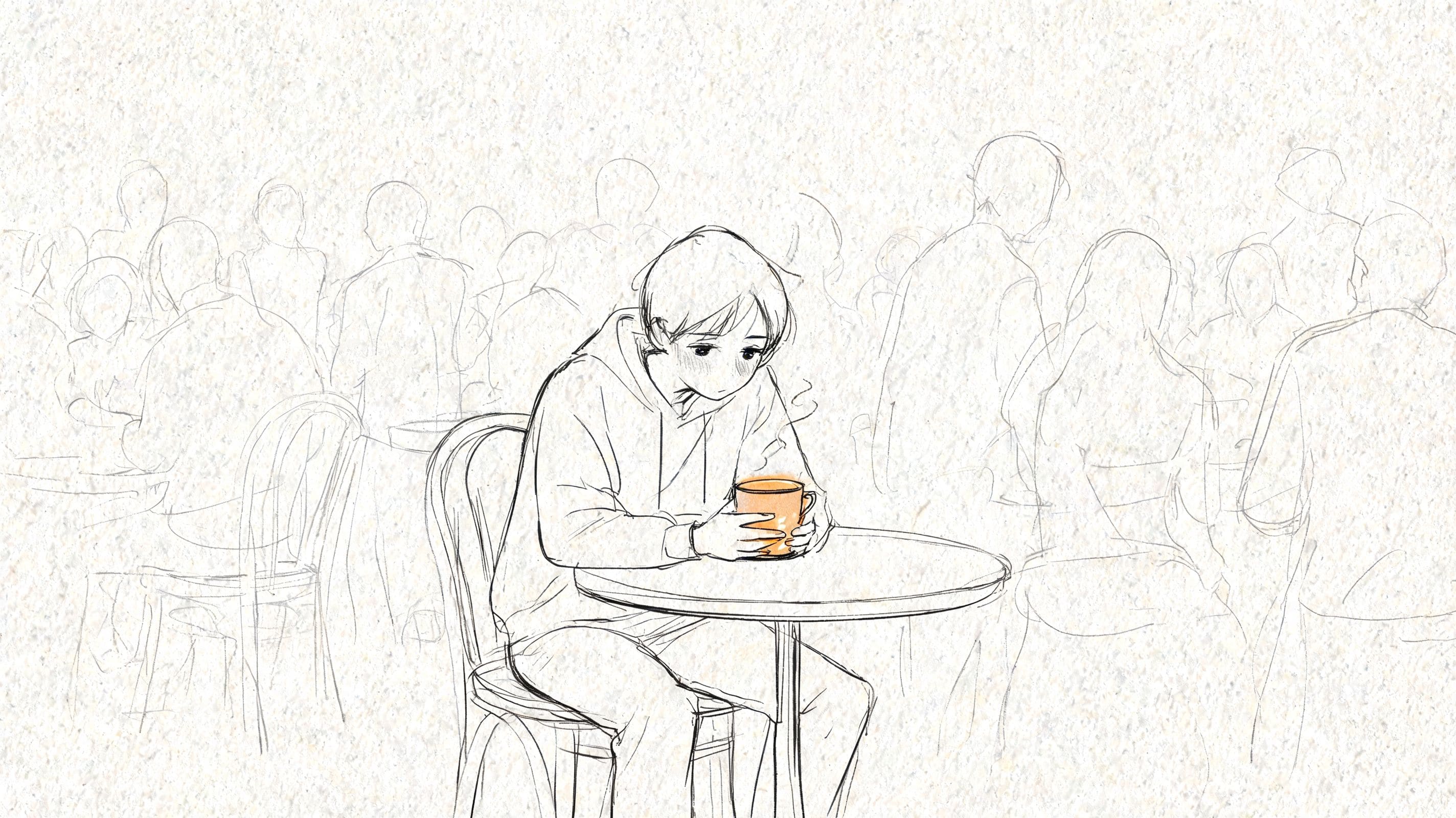
A person with social anxiety may want connection and still avoid it. They may cancel at the last minute, rewrite messages over and over, dread being called on, or seem "fine" in public and then crash afterward. Often, what stands out is not just discomfort but the amount of energy spent trying to prevent embarrassment.
The delay in getting help can be long. 36% of people with social anxiety disorder experienced symptoms for 10 or more years before seeking help, according to the Anxiety and Depression Association of America facts and statistics page. That's one reason gentle, early support matters.
What you might notice in daily life
- Avoidance that looks strategic
They skip events, avoid phone calls, let messages sit, or only attend if they can stay near one safe person.
- Heavy preparation for ordinary interactions
They rehearse simple questions, ask you to check texts repeatedly, or seem distressed over things other people handle quickly.
- Relief behaviors that keep the fear going
They avoid eye contact, over-explain, apologize a lot, or need constant reassurance before and after an interaction.
What not to do with these signs
Don't diagnose them. Don't argue them out of their fear. And don't assume extroversion means they're doing fine. Some people can perform socially and still suffer intensely before and after.
> Sometimes the clearest sign is not visible panic. It's how much life gets organized around avoiding possible judgment.
If you want a broader view of common patterns, this guide to social anxiety can help you put names to behaviors without turning every awkward moment into a diagnosis.
A useful question is simple: Is this person choosing quiet, or paying a high price for it? If they keep missing things they care about, shrinking their world, or needing major effort for basic communication, practical support can make a real difference.
Communication That Calms Instead of Pressures
Most support succeeds or fails at the sentence level. That's why learning how to help with social anxiety often comes down to wording. The wrong phrase adds urgency, shame, or performance pressure. The right one gives choice, clarity, and room to breathe.
Most public advice still doesn't spend enough time on this question. Much of the guidance on helping with social anxiety focuses on therapy or general coping tips but doesn't fully answer "What do I say?", as discussed in Cleveland Clinic's article on overcoming social anxiety. That gap matters because even strong coping skills still have to be translated into real conversations.
Supportive Communication Swaps
| Instead of This (Adds Pressure) | Try This Instead (Reduces Pressure) |
|---|---|
| "Just be yourself." | "You don't have to perform. Want to think through one simple thing to say?" |
| "It's not a big deal." | "I can see this feels big right now. Want company, space, or help wording a response?" |
| "You should come. It'll be good for you." | "You're welcome to come. We can keep it short, leave early, or skip it if today's not the day." |
| "Why didn't you reply?" | "No rush to answer. If it helps, I can keep this simple." |
| "You need to stop overthinking." | "Want to narrow it down to two reply options so it feels less open-ended?" |
| "Just talk to them." | "Do you want to rehearse the first line before you send it or say it?" |
| "Don't be awkward." | "Awkward moments happen. You don't need a perfect interaction." |
Phrases that usually help
When someone is overwhelmed, shorter is better. Try language that offers options instead of demands.
- To validate without escalating
"I get why this feels hard."
"You don't have to force it."
"We can make this smaller."
- To make a plan
"What part feels hardest?"
"Do you want me to stay with you for the first few minutes?"
"Would it help to decide your exit line now?"
- To support digital communication
"Want me to help draft a reply?"
"We can make it brief and polite."
Want to support someone with social anxiety? tonen can help.
tonen gives you 188+ conversation scripts, tone guidance and calming tools — designed for autistic adults, ADHD and social anxiety. Try it free for 7 days.
Download on the App StoreiOS only. Android coming soon.
"If the message is confusing, let's not assume the worst tone first."
> Clear language helps because it removes hidden tasks. The person no longer has to decode your reassurance and manage their anxiety at the same time.
Digital support matters too
A lot of social anxiety now shows up in texts, email, and workplace messaging. The pressure isn't only face to face. It's also the unread message, the ambiguous "Can we talk?", or the expectation of a fast reply.
That's where concrete phrasing can be unusually helpful, especially for neurodivergent people who may not need pep talks as much as usable wording. If you want examples built around that exact problem, this article on how to talk to people with social anxiety offers more script-level ideas.
A few rules worth keeping
1. Ask one question at a time
Multiple questions create clutter.
2. Offer an easy out
"No pressure" only works if there is actual permission to decline.
3. Don't make disclosure the price of support
They don't need to explain everything before getting help.
4. Avoid urgency unless it's truly urgent
"ASAP?" can trigger spirals when "today is fine" would do.
Communication that calms doesn't sound dramatic. It sounds specific, kind, and easy to answer.
Practical In-the-Moment Coping Tools
When someone is already flooded, insight is not the first priority. Regulation is. The aim is not to solve social anxiety on the spot. It's to help the person get enough steadiness back that they can choose their next move.
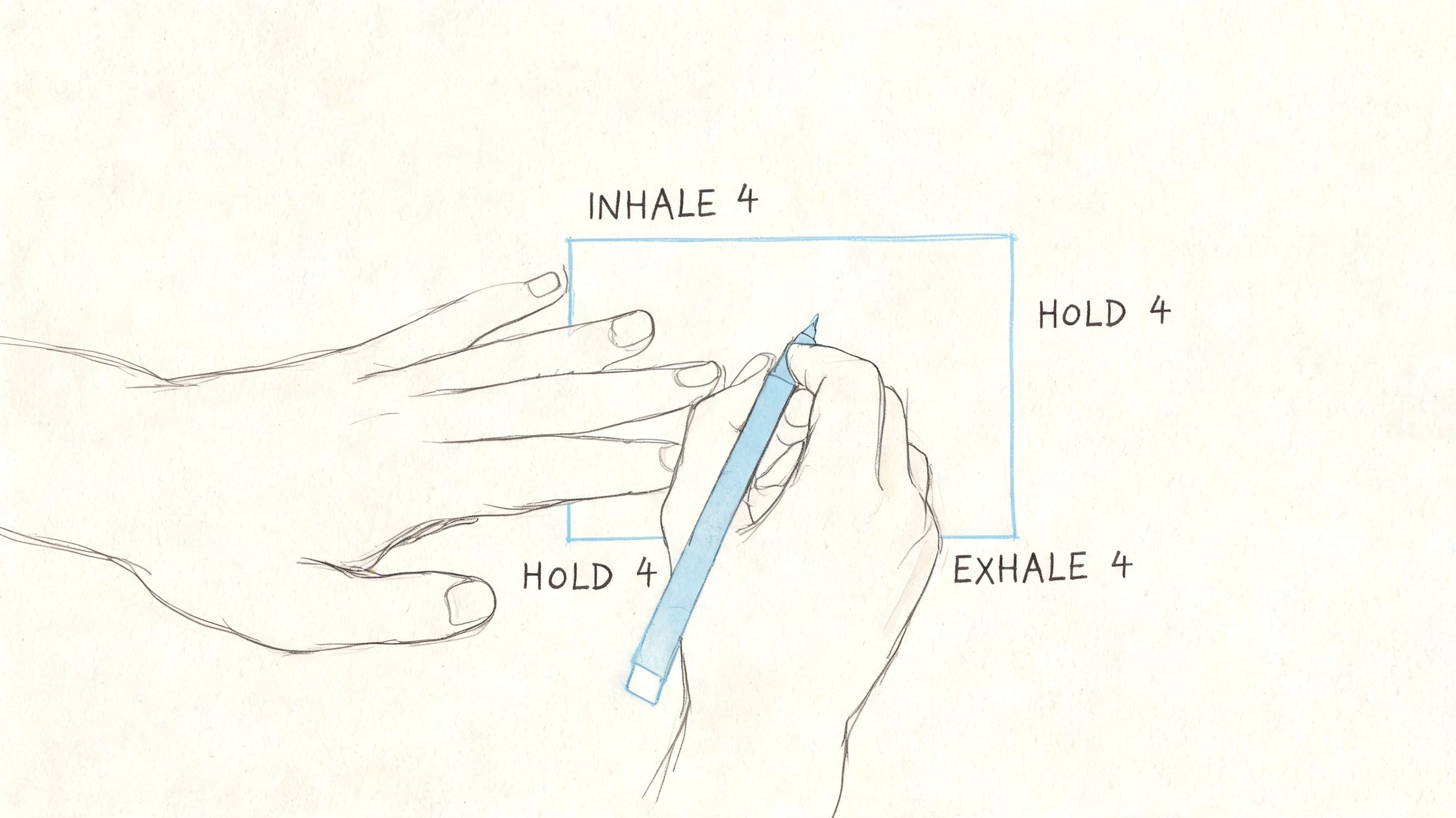
The best tools are simple, private, and easy to prompt without sounding controlling. Instead of saying "calm down," offer a concrete experiment. "Want to try a breathing square with me?" lands very differently.
Three tools you can offer gently
#### Box breathing
Breathe in, hold, breathe out, hold. Keep each part the same length if that feels comfortable. Counting gives the brain one clear thing to do.
This works well in a car, bathroom stall, hallway, or before opening a message.
#### 5 4 3 2 1 grounding
Ask them to notice:
- 5 things they can see
- 4 things they can feel
- 3 things they can hear
- 2 things they can smell
- 1 thing they can taste
This helps when they're spiraling into prediction and need something immediate and sensory.
#### An exit plan
For many people, anxiety drops when leaving is allowed. Agree in advance on a phrase, text, or signal. If they know they can step out without creating a scene, they often feel less trapped going in.
How to introduce these tools without sounding bossy
Try:
- "Want to try something quick with me?"
- "We don't have to fix the whole thing right now."
- "Let's just get through the next two minutes."
Avoid:
- "You need to breathe."
- "Relax."
- "You're overreacting."
> A coping tool works better as an invitation than as an instruction.
If you want more examples of grounding you can use privately or together, these grounding techniques for anxiety are a useful starting point.
One more point matters here. Don't treat coping tools as proof that the person should stay in a situation no matter what. Sometimes the right move is to regulate and re-engage. Sometimes it's to regulate and leave. Support means helping them regain choice.
Supporting Through Rehearsal and Gradual Practice
If immediate coping helps someone survive the moment, rehearsal helps them build capacity for the next one. Many friends and partners can be especially useful during this stage. Not by forcing exposure, but by helping make practice structured, small, and repeatable.
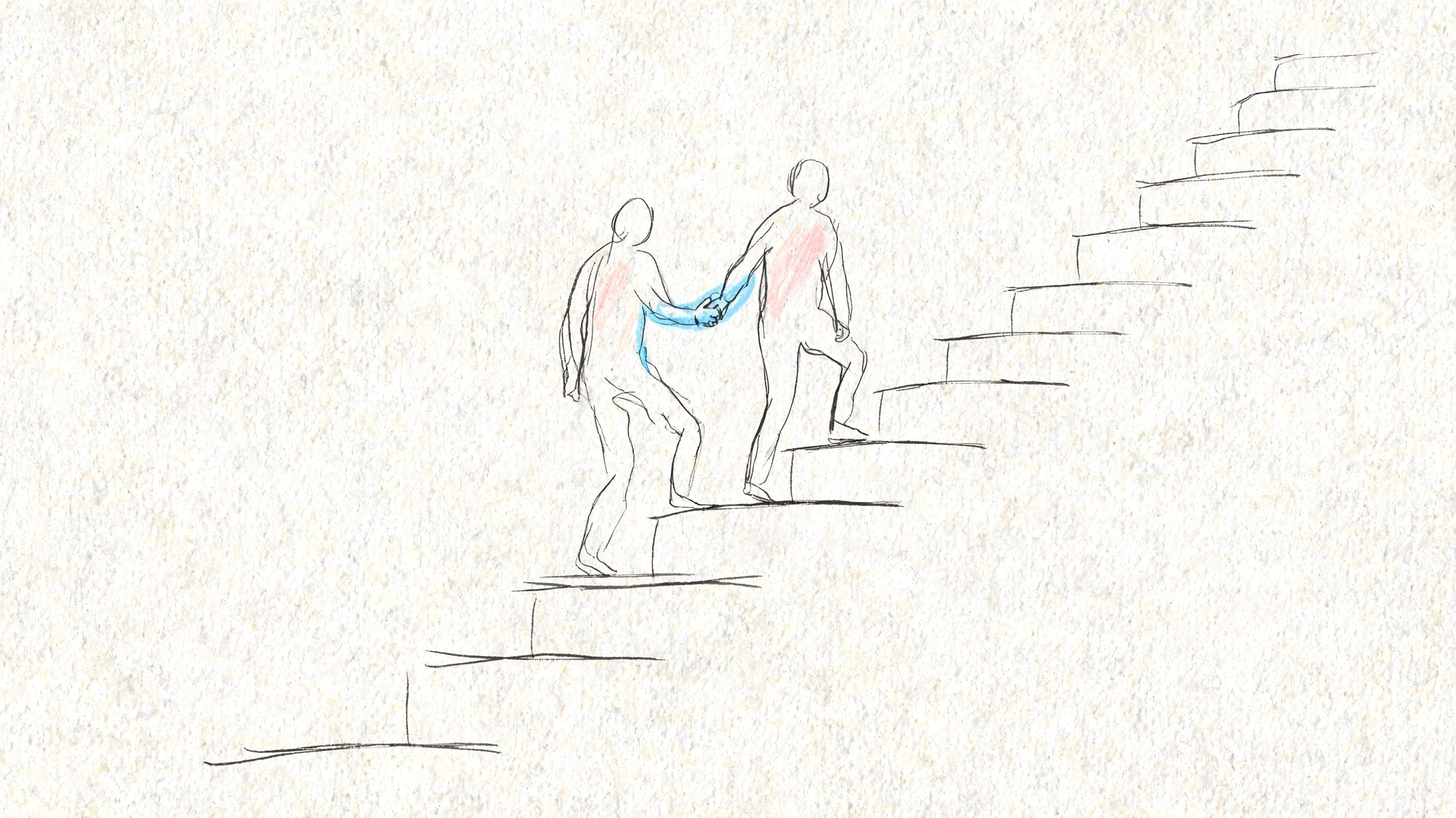
A core part of CBT for social anxiety is a fear or avoidance hierarchy. The idea is to start with mildly uncomfortable situations and work upward in manageable steps while reducing safety behaviors, as outlined by the National Social Anxiety Center's guide to CBT strategies for social anxiety. That's much more effective than pushing someone into the hardest situation and hoping they adjust.
Turn one scary event into smaller reps
Take a stressful example like attending a work gathering. Instead of treating it as one giant challenge, break it apart:
1. Read the invitation without deciding immediately.
2. Choose whether to attend for a limited time.
3. Rehearse one opening question.
4. Plan where to stand when arriving.
5. Decide on one exit line.
6. Go with a support person if that helps.
7. Leave while it still feels manageable, not only after overwhelm hits.
That same structure works for emails, phone calls, class participation, meeting a partner's friends, or asking a teacher for clarification.
Rehearsal is not the same as over-rehearsing
Helpful rehearsal makes the task clearer. Unhelpful rehearsal tries to remove all uncertainty. That distinction matters.
A few examples:
- Helpful
Practicing a two-line introduction once or twice.
- Unhelpful
Repeating the entire conversation until it feels impossible to say anything else.
- Helpful
Picking one realistic goal, such as asking one question.
- Unhelpful
Expecting the whole event to feel easy.
> The sweet spot is preparation that supports action, not preparation that becomes another form of avoidance.
Ways to adapt practice for neurodivergent people
For autistic people, people with ADHD, and other neurodivergent communicators, anxiety often spikes when social expectations are fuzzy. In those cases, support is often about clarity as much as courage.
Try adjusting the environment and the plan:
- Choose lower-load settings
Quieter venues, shorter events, or daytime plans can reduce sensory and social strain.
- Make expectations explicit
Say who will be there, what usually happens, how long it might last, and whether there's food, small talk, or open mingling.
- Script the rough spots
Prepare lines for arriving late, declining something, asking for repetition, or stepping away.
- Reduce hidden decisions
Decide transport, timing, seating, and check-in points ahead of time.
Some people also benefit from practicing with a tool rather than a person. One option is tonen, which includes ready-to-use scripts with tone variations, private rehearsal in Practice Mode, and calming tools like Box Breathing and 5-4-3-2-1 for moments of overwhelm. For more on structured conversation rehearsal, this guide to practicing conversations for anxiety goes deeper.
Knowing When and How to Suggest Professional Help
Support from friends and family matters. Sometimes it's enough to make daily life easier. Sometimes it isn't. If anxiety is consistently blocking school, work, relationships, healthcare, or basic communication, it may be time to suggest professional support.

You don't need to wait for a dramatic crisis to raise the idea. In fact, calmer moments are usually better. The key is to frame help as support, not as a verdict on how they're coping.
Signs it may be time
- Daily functioning is shrinking
They're avoiding class, work tasks, appointments, friendships, or important messages.
- Your support keeps turning into rescue
You're repeatedly speaking for them, covering for them, or managing things they want to do but can't approach.
- The distress is intense or persistent
The anxiety isn't tied to one rough week. It keeps shaping their choices and limiting their life.
Evidence-based treatment often includes CBT, which Yale Medicine identifies as the most common treatment for social anxiety disorder, sometimes combined with medication. If you want a plain-language explanation of that approach, this article on cognitive behavioural therapy for social anxiety is a helpful bridge.
Gentle ways to bring it up
Try language like:
- "You don't have to handle this alone."
- "If you want, I can help you look for someone who understands anxiety."
- "This seems exhausting. Talking to a professional might make it feel less heavy."
- "Getting support doesn't mean you've failed. It means this deserves care."
Avoid turning therapy into a threat. "You need therapy" can sound dismissive or frustrated, even if you mean well.
What practical help can look like
Sometimes the best support is not convincing. It's reducing friction.
- Sit with them while they make the call or send the inquiry
- Help draft the first email
- Offer transport or company to the appointment
- Help them write down what they want to mention
- Remind them they can try more than one clinician if the fit feels off
> Suggesting professional help works better when you stay beside the person instead of pushing from behind.
If safety is a concern
If they talk about wanting to harm themselves, seem unable to stay safe, or you believe there is immediate danger, seek urgent help right away through local emergency services or a crisis line in their area. If you're in the U.S. or Canada, calling or texting 988 connects you to crisis support. If you're elsewhere, use your country's emergency or mental health crisis service as soon as possible.
Helping with social anxiety is not about saying the perfect thing every time. It's about making the next step easier, clearer, and less lonely. That can mean a softer text, a practiced script, a two-minute grounding tool, or help reaching professional care. Small supports count.
tonen is a practical option for people who want more support between hard moments and real conversations. The tonen app gives users concise scripts for work, family, health, school, and social situations, with tone options, opt-out lines, ask-for-support phrasing, private rehearsal, and in-the-moment calming tools designed to reduce communication stress.
Frequently asked questions
Listen without minimizing, offer predictable plans, and ask what helps (quiet space, written details, advance notice). Avoid forcing exposure or saying "everyone feels that way."