Strong networking openers are built, not improvised. The right question lowers pressure for both people, gives the other person an easy place to start, and helps you avoid the mental scramble of trying to sound impressive on command.
That matters because networking often breaks down in the first half-minute. People know they want to connect, but they burn energy searching for the perfect opener, second-guess their tone, or miss the moment entirely. For neurodivergent professionals, that strain can be even higher. Unclear social rules, fast topic shifts, and noisy environments can turn a simple introduction into a heavy cognitive task.
A useful conversation starter does more than start a chat. It creates enough structure to help you listen, respond, and decide whether to keep going. That is the standard for every opener in this guide.
The focus here is practical. You will get questions that work in conferences, mixers, team events, and smaller professional meetups, along with guidance on how to say them, how to rehearse them, and how to leave a conversation without awkwardness. If you want extra help practicing the rhythm of asking, pausing, and responding, this guide on how to be engaging in a conversation is a strong companion resource.
Preparation also reduces load. Some people rehearse out loud. Some write three opener options on their phone before an event. Some use tonen to test phrasing and adjust tone so the words feel natural in their own voice. That kind of prep is not overthinking. It is a practical way to make networking more predictable and less draining.
The goal is simple: clear, calm openers you can use.
1. The What brings you here Open-Ended Question
This is one of the safest conversation starters for networking because it gives the other person room to answer at their own depth. They can keep it practical, talk about a goal, mention a speaker, or say they were invited by a colleague. You don't need to guess the perfect topic first.
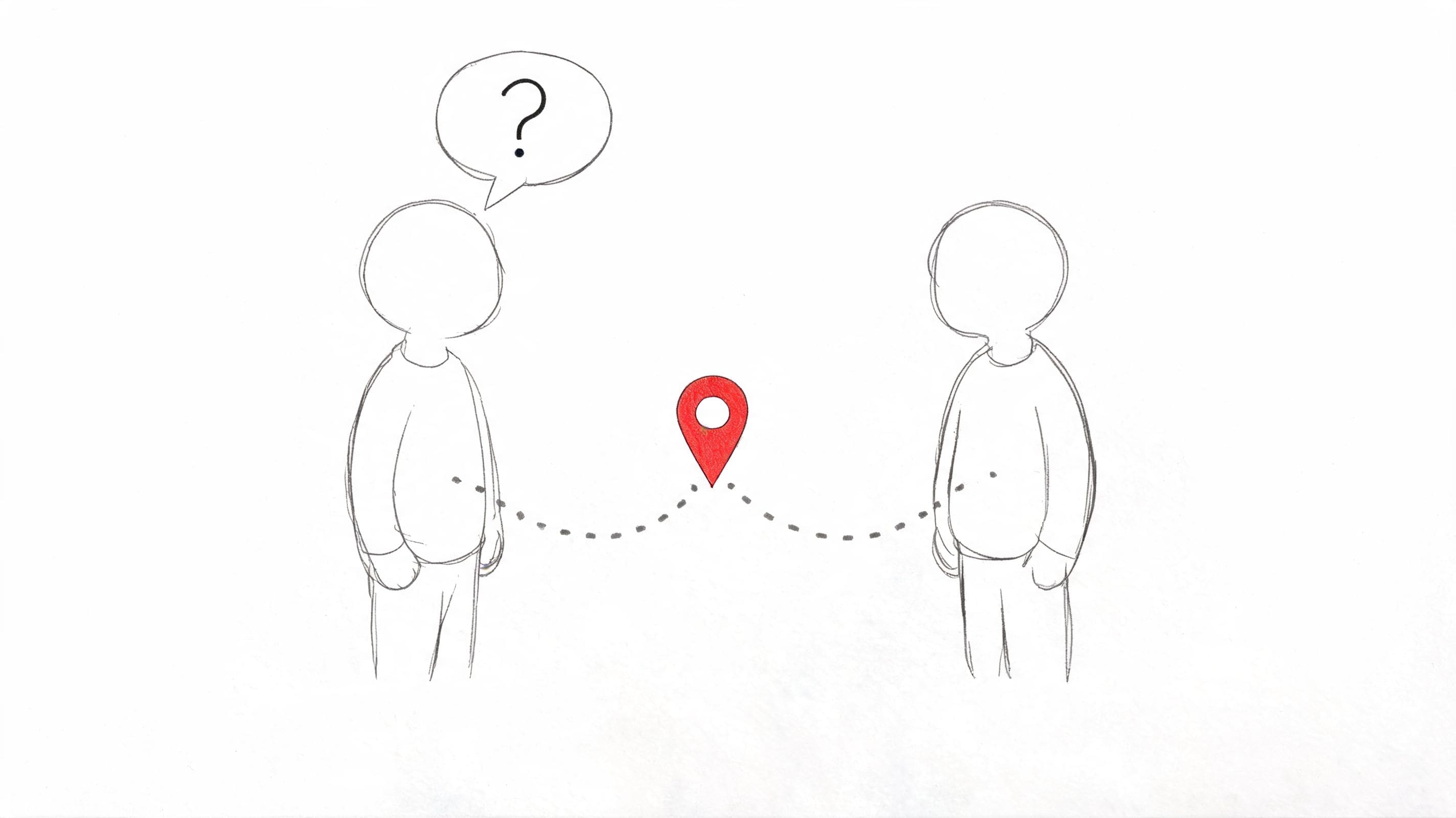
Use versions like:
- At a conference: "What brings you to this event today?"
- At a mixer: "What made you sign up for this gathering?"
- At work: "What made this team or project interesting to you?"
Why it works
The strength of this opener is that it creates structure without sounding scripted. You're not asking for a polished elevator pitch. You're asking for motivation. People usually answer that more naturally.
For neurodivergent professionals, this question also lowers the demand for fast topic-switching. You ask one clear question, pause, then respond to what's said. If you want help practicing that rhythm, this guide on how to be engaging in a conversation is useful because it keeps the focus on listening and response rather than performance.
> Practical rule: Ask the question, then wait. A short pause often feels longer to you than it does to the other person.
A common mistake is asking "What brings you here?" and then cutting in too quickly with your own introduction. Let their answer do the work. If they say, "I'm exploring partnerships," your follow-up is obvious. If they say, "I wanted to hear the keynote," ask what they hoped to learn.
Good follow-ups
- Clarify purpose: "What are you hoping to get out of it?"
- Make it concrete: "Is there a particular topic you're focused on?"
- Open the next step: "Have you met anyone interesting so far?"
If the room is loud or you're feeling overloaded, keep the wording plain. This opener doesn't need sparkle. It needs a calm delivery and enough patience for the other person to answer.
2. The Tell me about your role or work Specific Interest Question
When small talk feels slippery, work is often the most stable place to begin. A role-based question gives both of you something concrete to hold onto. It also helps you move past job titles fast enough to find the interesting part.
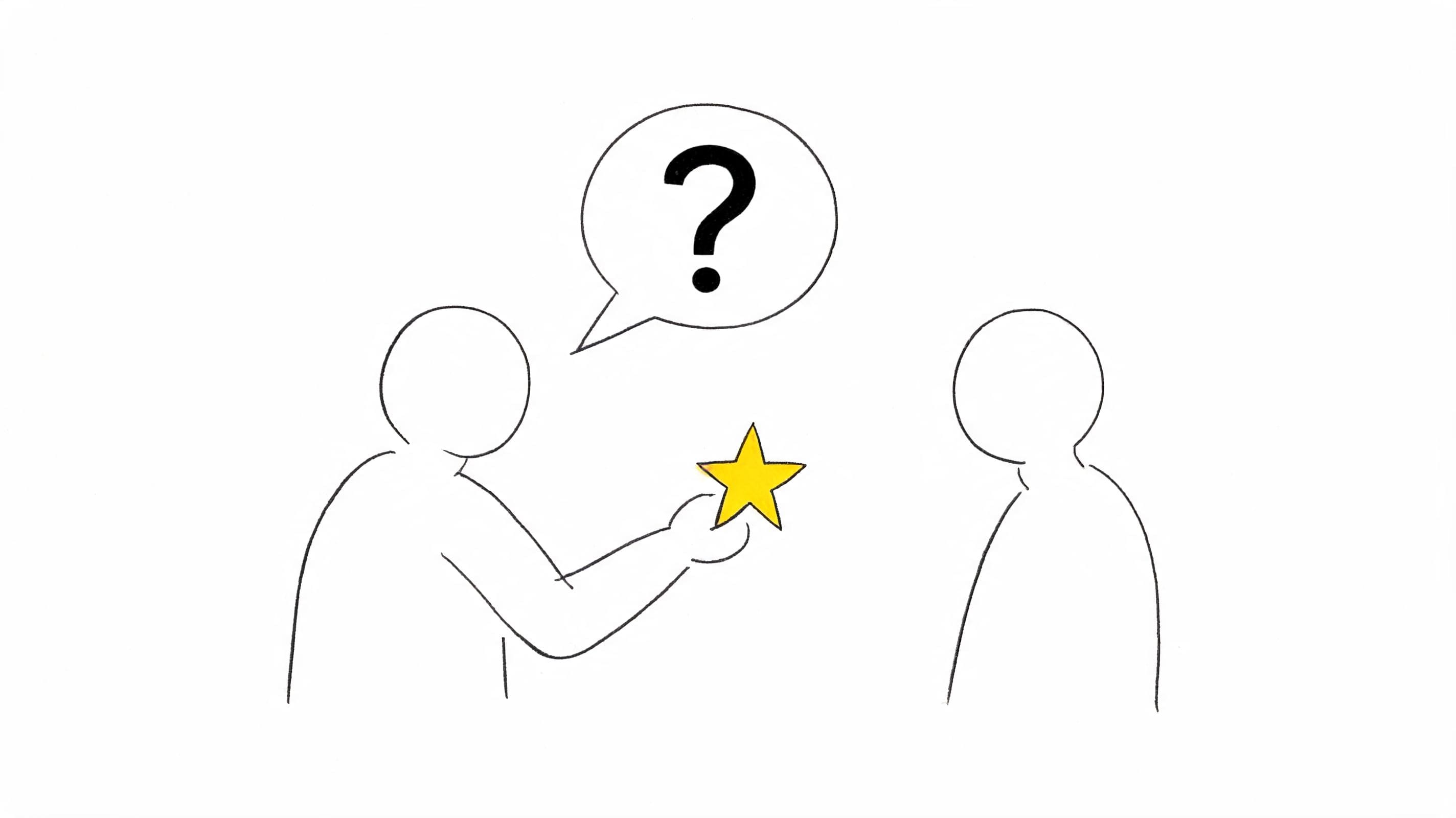
Try lines like:
- Day-to-day focus: "What does a typical day look like in your role?"
- Career path: "How did you get into this kind of work?"
- Current work: "What's the most interesting thing you're working on right now?"
Make the question narrower than What do you do
"What do you do?" isn't wrong. It's just lazy. It usually gets you a title and a rehearsed answer. A better question pulls the person into lived experience.
If you're preparing for a specific event, it helps to customize a few role-based questions in advance. This article on how to prepare for a conversation is a practical way to think about that, especially if you want different versions for formal and casual settings.
What works well here is specificity. Ask about projects, workflow, decisions, or what surprised them about the role. What doesn't work is sounding like you're screening them for usefulness.
> The quickest way to kill a networking conversation is to ask a transactional question too early.
Better and worse versions
- Better: "What part of your work takes the most judgment?"
- Better: "What kind of problems land on your desk most often?"
- Worse: "So are you hiring?"
- Worse: "Can your company help with something I'm building?"
If the other person gives a short answer, don't panic. Short answers often mean they need a more grounded prompt. Ask, "What kind of project has your attention lately?" That's easier to answer than broad identity questions.
3. The Compliment plus Question Two-Part Opener
A good compliment can warm up a cold start fast. The catch is that it has to be specific and it has to lead somewhere. Empty praise creates awkwardness. A brief observation tied to a real question creates momentum.
Examples:
- After a talk: "Your presentation was really well organized. How do you structure complex material like that?"
- After a panel comment: "I liked your point about cross-functional work. What led you to that view?"
- After a meeting: "You explained that clearly. Did that approach come from experience or trial and error?"
Keep the compliment on substance
Aim your compliment at contribution, not appearance. Professional networking isn't the place for vague personal remarks. People relax when they can tell your comment is about something they chose, made, or said.
If you're someone who finds wording hard under pressure, prewritten examples can help. This library of conversation scripts for everyday and work situations is a useful model because it shows how small shifts in tone can make the same opener sound warmer or more direct.
A two-part opener also helps if your brain needs sequence. First you name what you noticed. Then you ask one question. That structure reduces the urge to overexplain.
What to avoid
- Too broad: "You're amazing. Tell me everything."
- Too intense: "I've been wanting to talk to you all day."
- Too appearance-focused: Anything that would feel out of place in a workplace hallway
A sincere compliment earns attention. The question earns the conversation. You need both.
4. The Shared Context Reference Opener
Sometimes the easiest opening is the one already sitting in the room. You just experienced the same speaker, waited in the same line, or sat through the same workshop. Use that.
This style sounds like:
- "That session covered a lot. What stood out for you?"
- "Have you been to events like this before?"
- "That panel moved fast. Was there one point you agreed with?"
Why this feels easier
You don't have to invent relevance. The relevance is already there. That's useful when you're tired, overstimulated, or meeting people in a noisy space where subtle openers are hard to land.
It also takes pressure off identity. You're not asking someone to summarize who they are to a stranger. You're asking for a reaction to something specific and recent.
For people who need a moment before approaching, a short grounding pause can help. Some tools are built around that exact use case. The product brief for tonen describes a Calm Kit with options like box breathing, grounding, and body scan, which can be useful before stepping into a shared-context conversation.
Dreading networking events? tonen can help.
tonen gives you 188+ conversation scripts, tone guidance and calming tools — designed for autistic adults, ADHD and social anxiety. Try it free for 7 days.
Download on the App StoreiOS only. Android coming soon.
> If your brain goes blank, comment on the room, the session, the queue, or the format. Shared reality is enough.
Real-world scenario
You're leaving a conference talk and walking beside someone who took notes during the session. Instead of forcing a polished intro, try: "You seemed tuned in during that talk. Was there one idea you thought was useful?" That lands because it's observant and easy to answer.
What doesn't work is using vague filler such as "Crazy day, huh?" unless you're ready to quickly turn it into something more specific. Shared context works best when you point to an actual moment.
5. The Common Challenge Pain Point Question
This opener works because it skips fake polish. You're not pretending networking is effortless. You're naming a challenge that's relevant to the setting and inviting the other person to weigh in.
Use it carefully and it creates relief. Use it clumsily and it can sound heavy too fast. The difference is whether you frame the challenge as common and workable.
Examples:
- "These events can be a lot to process. How do you usually handle them?"
- "Cold outreach is one of the harder parts of my job. How do you approach it?"
- "Back-to-back meetings wipe out my focus. Have you found anything that helps?"
Normalize, don't unload
This approach is strong when the challenge is shared and practical. It gets weaker when it turns into a confession before trust exists. Keep the question broad enough that the other person can answer without taking care of you.
If starting is the hardest part, it can help to rehearse a few low-pressure versions ahead of time. This guide on how to start a conversation is useful because it focuses on openers that don't require a perfect social read.
A common challenge question is especially helpful for neurodivergent professionals because it gives you a real topic with built-in relevance. It also makes room for honest answers. Some people will say, "Same, I always need a lap around the room first." That's a real connection, not forced rapport.
Keep it grounded
- Good framing: "This part can be tricky. What's your approach?"
- Too personal too soon: "I'm terrible at this and am panicking."
- Too negative: "Don't you think these events are pointless?"
The trade-off is simple. This opener can go deeper faster, but it requires emotional control. Name the challenge. Ask the question. Don't spiral.
6. The Curious Question About Interest or Passion Opener
Professional events get better when people stop reciting roles and start talking about what energizes them. That's what this opener enables. It often leads to the most memorable conversations of the night.
Try:
- "What's something you're excited to learn more about right now?"
- "Is there a project you're especially into at the moment?"
- "What part of your work gives you energy?"
- "What's a topic you could talk about for hours?"
This is where real engagement shows up
Many people, neurodivergent or not, speak more clearly when they care about the topic. You can hear the difference. Their answers get more specific, their pace changes, and the conversation stops feeling like a test.
This opener also works well when you're good at listening but not at selling yourself. You don't need to dominate. You just need to stay curious and ask a useful follow-up.
Good follow-ups are simple:
- Expand the topic: "What pulled you into that?"
- Make it practical: "How does that show up in your day-to-day work?"
- Find momentum: "Is that something you're building toward, or already doing a lot of?"
> Some of the best networking conversations start when someone finally gets to talk about the part of their work they actually care about.
A useful caution
Don't fake enthusiasm. People usually notice. If they tell you about a niche area you don't understand, you don't need to perform expertise. Say, "I don't know much about that, but I'd love to hear how it connects to your work." That's enough.
Among conversation starters for networking, this one is especially good when the room feels flat. Interest creates energy faster than credentials do.
7. The Specific Observation plus Permission to Share Soft Opener
This is one of the most respectful ways to approach someone you don't know well. You make a specific observation, then ask permission to continue. That extra step matters if you're worried about interrupting, overstepping, or getting trapped in a bad social read.
Examples:
- "I noticed your question in that session was really sharp. Would you be open to saying more about it?"
- "Your comment about onboarding stuck with me. Would you mind sharing how you came to that view?"
- "I saw you were talking about accessibility with the speaker. Would it be okay if I asked about your work in that area?"
Why permission helps
For many neurodivergent people, ambiguity around boundaries is exhausting. A permission-based opener reduces that ambiguity. You aren't forcing momentum. You're inviting it.
It also gives the other person a graceful way to decline. That's not a failure. It's useful information. If they say, "Maybe later," you can smile and move on.
This style works especially well in quieter settings, after talks, or when someone is standing alone but doesn't look eager for a high-energy interruption.
Delivery matters more than length
- Specific observation: Make it concrete enough that it feels real
- Clear permission: "Would you be open to..." or "Would it be okay if..."
- Relaxed response: If they decline, don't chase
What doesn't work is over-apologizing. "Sorry to bother you, and sorry if this is weird, but..." makes the whole interaction feel heavier than it needs to be. Respectful is good. Self-erasing isn't.
8. The Question About Their Perspective or Viewpoint Intellectual Opener
A good networking conversation does not have to start with biography. For some people, especially those who find small talk draining or hard to read, ideas are the easier entry point.
This opener asks for a point of view. That gives the other person something concrete to respond to, and it gives you a clearer structure to follow.
Try:
- "What's your take on where this industry is heading?"
- "How do you think about this problem differently from typical approaches in your field?"
- "I'm curious about your perspective on remote collaboration. What's worked for you?"
- "What's your viewpoint on that policy shift and how it affects your work?"
Use it when there is already a shared topic
This works best after a talk, during a panel discussion, or in any setting where a subject is already on the table. If the room has been discussing hiring, regulation, AI tools, accessibility, or client expectations, a perspective question feels natural. In a random drinks line with no context, it can feel too abrupt.
A Harvard Business Review analysis has noted that prepared openers often perform better than trying to invent one on the spot. The practical takeaway is simple. Questions get easier when you have a structure ready before the event.
That matters even more if networking tends to overload your working memory. A prepared question, a follow-up, and an exit line can reduce the mental load enough to help you stay present. If social anxiety is part of the picture, this guide on how to talk to people with social anxiety is useful for pacing and clarity.
How to ask an intellectual question without sounding intense
Tone does the heavy lifting here. The same question can sound generous or combative depending on how you deliver it.
- Start with context: "After that panel, I'm curious how you see it."
- Ask for their view, not a performance: "What's been your experience with that?" is often warmer than "What's your theory?"
- Keep one follow-up ready: "What led you to that view?" or "How has that played out in practice?"
- Know your exit line: "That's helpful. I appreciate your perspective." Then pause or move on
For neurodivergent readers, this opener can be especially useful because it reduces guesswork. You do not need to improvise charm. You need one relevant topic, one clear question, and a calm tone. If rehearsal helps, practice saying the question out loud in two versions: one more formal, one more relaxed. Tools like tonen can help you test phrasing before the event so you are not doing all that processing live.
A perspective question often makes you more memorable because it shows respect for how someone thinks. That is a stronger starting point than another exchange of job titles.
9. The Genuine Admission of Uncertainty plus Question Vulnerable Opener
Used well, this opener is disarming. You admit you don't fully understand something, then ask for the other person's view. That honesty often creates a more useful conversation than pretending you already know enough.
Try:
- "I'm still figuring out how that process works in larger teams. How does your organization handle it?"
- "I'm less confident in that area. What's been your experience?"
- "I don't have a clear read on the best way to follow up after events like this. What do you usually do?"
Vulnerable is not the same as self-diminishing
The point is to signal openness, not incompetence. You're saying, "I have a real question," not "Please reassure me that I belong here."
This style can be especially effective for people who feel pressure to mask uncertainty. It also lowers the temperature of the exchange because you're not trying to impress first. If social anxiety is part of the picture, this article on how to talk to people with social anxiety offers useful framing around pacing, clarity, and not overwhelming the moment.
A vulnerable opener often works best with professionals who clearly know the topic well. Individuals tend to respond generously when the question is sincere and specific.
> Ask for understanding, not validation.
Better phrasing
- Good: "I'm still learning how people handle this in practice. What have you seen work?"
- Less helpful: "I'm awful at this. Sorry if this is a dumb question."
- Good: "I haven't encountered that setup before. How does it usually operate?"
The trade-off is that vulnerability invites closeness but requires good judgment. Keep the uncertainty tied to the topic, not your worth.
10. The Reference to Previous Conversation Thread Continuity Opener
The strongest networking follow-up often starts with five words: earlier you mentioned...
This opener works because it lowers effort for both people. You are not searching for a brand-new angle under pressure. They are not deciding whether to trust a cold question. You are picking up a thread that already has context, interest, and a reason to continue.
Examples:
- "Earlier you mentioned onboarding across time zones. I kept thinking about that. How did your team solve it?"
- "That point you raised in the session about hiring stayed with me. Can I ask one more thing about it?"
- "You mentioned a tool you were testing. Did it end up helping?"
- "When we talked earlier, you said you were looking for a resource on that topic. I thought of one you might like."
Why this opener works so well
Continuity signals attention. In professional settings, that stands out more than a clever icebreaker.
It also helps people who do not formulate their best response on the spot. Many neurodivergent professionals think of the useful question ten minutes later, or after the event, once the noise and social load drop. That does not make you bad at networking. It means your processing rhythm is different, and this opener fits that rhythm well.
I recommend keeping a very small note after meaningful conversations: name, topic, one detail, one next question. That can live in your phone, a notes app, or a tool like tonen if you want help rehearsing phrasing and tone before you reconnect. The goal is not to script every interaction. The goal is to reduce memory strain so you can show up with more presence.
How to use it without sounding overly rehearsed
Keep the callback specific and short. Mention one detail, then ask one question.
Good:
- "You mentioned your team was reworking documentation. How has that gone?"
- "Earlier you said you were hiring for a hard-to-fill role. What have you learned since then?"
Less effective:
- "As discussed in our previous interaction, I wanted to revisit the earlier topic."
- "I made a list of everything you said and had several follow-up questions."
Formal phrasing can sound stiff. Too much detail can feel intense. A brief reference usually lands better.
A practical trade-off
This approach is strong, but it asks you to notice and retain a detail from the first exchange. That can be hard if the event is loud, fast, or overstimulating.
Use supports early. Jot one line after the conversation. Save their name with a keyword. If online networking is easier for you, send a short follow-up while the detail is still fresh. Ongoing professional relationships often grow from these small returns to an earlier thread, not from one perfect first impression.
10 Networking Conversation Starters Comparison
| Opener | Implementation complexity | Resource requirements | Expected outcomes | Ideal use cases | Key advantages |
|---|---|---|---|---|---|
| The "What brings you here?" Open-Ended Question | Low, simple phrasing | Minimal, practice pause and follow-ups | Broad, low-pressure connection and context | Events, mixers, new teams | Clear structure, low anxiety |
| The "Tell me about your role/work" Specific Interest Question | Low–Medium, targeted follow-ups | Moderate, industry-specific prompts | Substantive professional dialogue | Career events, professional networking | Focused, leverages expertise |
| The "Compliment + Question" Two-Part Opener | Medium, requires genuine observation | Moderate, attention to specifics and tone practice | Personalized rapport and warm entry | Post-presentation, small groups, panels | Warmth + structure, reduces social risk |
| The "Shared Context" Reference Opener | Low, immediate and situational | Minimal, situational awareness | Instant rapport anchored to environment | Conferences, sessions, queues | Reduces cognitive load, natural starter |
| The "Common Challenge" Pain Point Question | Medium, careful framing needed | Moderate, sensitivity, calm options | Deeper, supportive conversation and problem-solving | Peer groups, workshops, professional circles | Authenticity, mutual support |
| The "Curious Question About Interest/Passion" Opener | Low–Medium, needs active listening | Moderate, prepared follow-ups, patience | Animated, detailed responses and engagement | Informal networking, interest-based meetups | Taps intrinsic motivation, sustained talk |
| The "Specific Observation + Permission to Share" Soft Opener | Medium, precise phrasing and consent | Moderate, memory/notes, polite permission line | Low-pressure engagement respecting boundaries | Sensitive settings, one-on-one approaches | Respects agency, lowers rejection anxiety |
| The "Question About Their Perspective or Viewpoint" Intellectual Opener | Medium–High, requires topical fit | Moderate–High, context knowledge and prompts | Nuanced, memorable intellectual exchange | Industry panels, expert-to-expert networking | Stimulates ideas, shows respect for expertise |
| The "Genuine Admission of Uncertainty + Question" Vulnerable Opener | Medium, balance vulnerability and competence | Moderate, careful framing and tone | Reciprocal, helpful responses and mentorship openings | Learning contexts, mentorship, onboarding | Lowers performance pressure, invites help |
| The "Reference to Previous Conversation Thread" Continuity Opener | Medium, needs accurate recall | Moderate, notes, saved follow-ups | Deeper continuity and strengthened relationships | Follow-ups, multi-session events, re-connections | Demonstrates attention, deepens rapport |
From Starters to Connections
Conversation starters for networking do one job first. They lower the effort required to begin.
That sounds simple, but it changes how people prepare. A good opener is not a test of charisma. It is a small piece of structure that gives both people something clear to respond to. In practice, that structure matters because many professionals benefit from help with the first move, especially in rooms where the social rules feel fuzzy or fast.
For neurodivergent professionals, the gap between "I know what I want to say" and "I can say it under pressure" is often the whole problem. Advice that depends on spontaneity can raise the load instead of reducing it. Useful networking support should make the interaction more predictable. It should help with wording, tone, pacing, and exits, not just hand you a clever line and hope for the best.
Preparation works better than performance pressure.
Pick two or three openers from this list that fit the event. Rehearse them out loud. Then add one follow-up question and one exit line for each. For example: "What brings you here tonight?" can pair with "What part of that are you focused on right now?" and a clean close like, "I'm glad we got to chat. I'm going to take a quick break, but I'd love to stay in touch." People often find it easier to start once they know how they can leave.
The trade-offs are manageable if you plan for them.
- Open-ended questions create space. They can also lead to long answers, so prepare a gentle redirect.
- Role and work questions feel safe. They get stronger when you narrow into a project, problem, or recent shift.
- Compliment-based openers can warm things up. They need to be specific, or they sound automatic.
- Shared-context openers reduce friction. They work best when you mention a concrete detail in the room, talk, or event.
- Vulnerable openers can build trust quickly. They are most effective when the uncertainty is limited and professional.
- Perspective questions can lead to memorable conversations. They need the right timing, especially if the setting is brief or noisy.
A few habits tend to weaken connection. Over-rehearsed pitches can make the exchange feel one-sided. Boomerang questions, where someone asks only to wait for their turn to talk, are easy to spot. Aggressive self-promotion usually closes people off faster than a thoughtful follow-up question.
If networking drains your attention, plan around that instead of judging yourself for it. Use quieter pockets of the event. Step out before you hit overload, not after. Keep a note on your phone with names, topics, and any follow-up you want to send later. Those supports are not shortcuts. They are practical tools.
That is also where a tool like tonen can help. Its app includes script options, tone variations, private practice, reframing support, and grounding tools designed for neurodivergent users. I like this kind of support when it reduces decision fatigue rather than adding another system to manage. The goal is not to sound polished. The goal is to make it easier to access your own words under stress.
Good networking rarely starts with a perfect line. It starts with a question you can say calmly, a follow-up you can remember, and an exit you can use without guilt. Start there. Connection grows from repeatable conversations that feel safe enough to continue.
Frequently asked questions
Open with context and curiosity—not a monologue. Comment on the event, ask about their role, or reference something specific you both share.