You're probably here because a friend texted, "Want to come tonight?" and your whole body said no while your brain started drafting five paragraphs of apology. The short answer to how to say no to friends is this: decide before you reply, keep the message simple, and expect a little discomfort afterward instead of treating that discomfort as proof you did something wrong. A kind no is usually clearer, safer, and more respectful than a resentful yes.
For neurodivergent people, this can feel harder than it sounds. Rejection sensitive dysphoria, masking, executive dysfunction, and fear of being misunderstood can turn one invitation into an hour-long spiral. That doesn't mean you're bad at friendship. It means you need lower-cognitive-load ways to protect your energy without blowing up relationships.
The Real Reason Saying No Is So Hard
You get a message from a friend you care about. It's not even a huge ask. Maybe dinner, a party, a ride, a favor, a group trip. You want to be nice. You don't want to disappoint them. You also know that if you say yes, you may spend the whole time overstimulated, drained, or wishing you were home.
That is the problem in one sentence. Saying no feels risky, so people trade clarity for temporary relief.
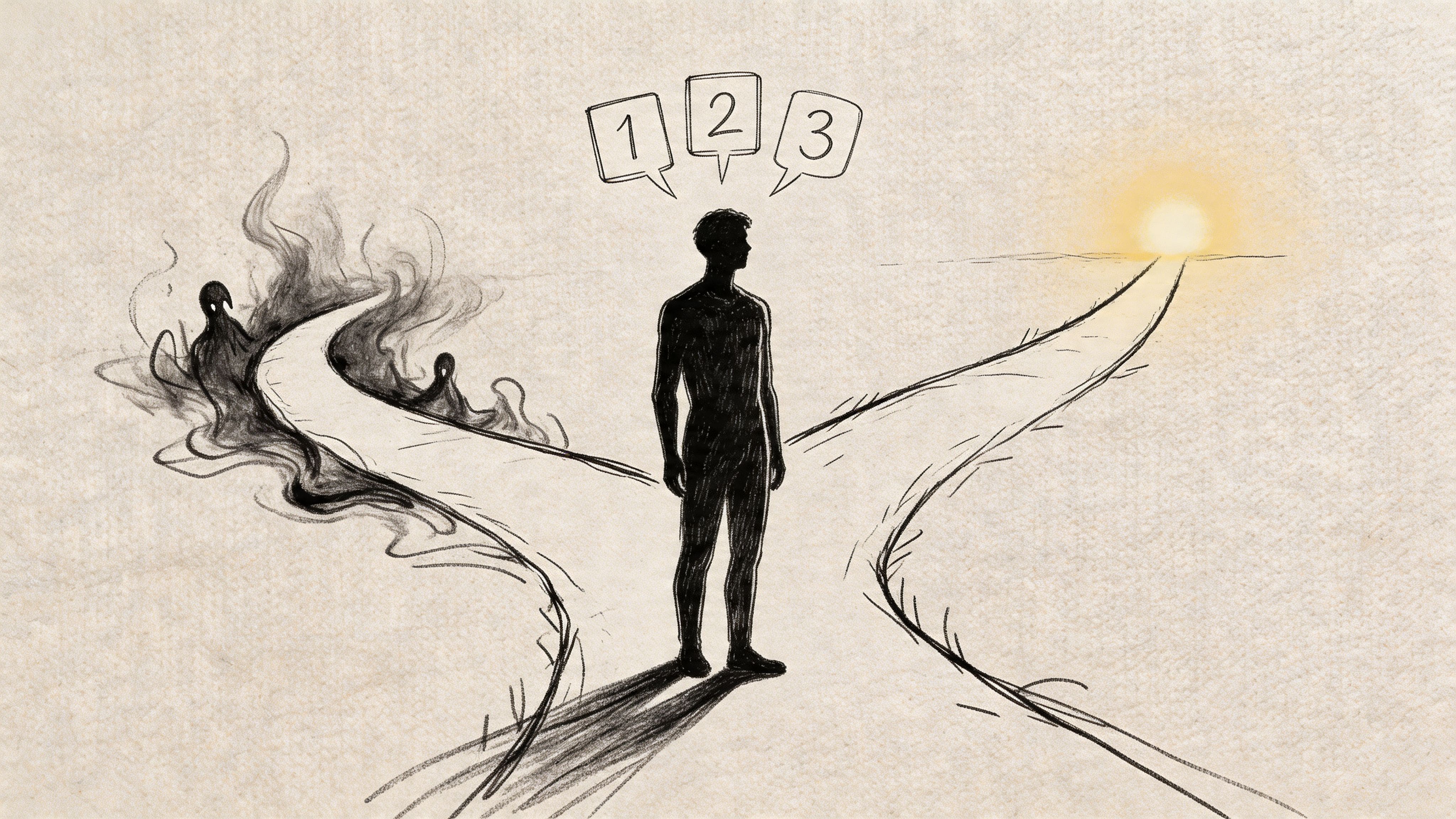
A lot of people assume how to say no to friends is mainly about finding the perfect wording. It isn't. It's a three-part skill. You need a steady mindset before you respond, words that fit the situation, and a plan for the guilt that may show up after. If one of those pieces is missing, even a perfectly polite script can still feel impossible to send.
Why your brain treats one text like a crisis
For many neurodivergent people, "Do I want to go?" gets tangled up with other questions:
- Will they think I'm rude
- Do I need a really good reason
- Am I failing at friendship
- If I say no now, will they stop inviting me
- Can I handle the sensory and social load if I say yes
That's a lot to process from one notification.
> Practical rule: The goal isn't to avoid all discomfort. The goal is to stop buying short-term relief with long-term resentment.
If communication already feels effortful, it helps to understand why communication can feel unusually hard in the first place. Many people aren't struggling because they don't care. They're struggling because the social, emotional, and cognitive load arrives all at once.
Prepare Your Mindset Before You Respond
The hardest part often happens before you type a single word. A friend texts. Your stomach drops. Your brain starts building a defense before you have even decided what you want.

A useful mindset shift is letting go of the idea that a no has to be justified like a legal argument. According to Dr. Jonice Webb's explanation of why saying no feels hard, one common barrier is the belief that you must provide a detailed explanation. That belief adds pressure, invites overthinking, and makes a simple reply feel much harder than it needs to be.
For neurodivergent people, that pressure can stack fast. RSD can make a neutral invitation feel emotionally loaded. Executive dysfunction can make drafting one short text weirdly hard. Sensory overload can tell you the answer is no long before you can explain it in words.
Stop treating a no like a court case
A lot of boundary messages get written as if the sender needs to prove they deserve one.
They explain their schedule in detail. They explain their energy level. They explain family logistics. Then they explain why they feel bad for explaining.
That usually creates more problems than it solves. Long explanations can open the door to negotiation, create more chances for tone to get misread, and burn through energy you may already be short on. In practice, a respectful no is often shorter than people expect.
Replace "I need a convincing reason" with a steadier set of rules:
- Capacity is a real reason
- Not wanting to go is useful information
- A brief answer can still be warm
- Clear limits protect friendships better than vague avoidance
> You can care about someone and still decline.
Use your body as data
Many neurodivergent people notice the answer in their body before they can form a clean sentence. You might feel your chest tighten, your shoulders tense, or a wave of dread, irritation, or heaviness. This is significant because many neurodivergent people experience a body signal before a verbal thought.
Treat that reaction as data, not as something to override.
A quick check can help:
1. Read the message once
2. Notice your first physical reaction
3. Ask, "What would saying yes cost me tonight or tomorrow?"
4. Wait if the answer is still foggy
If you need time, use a buffer line such as, "Let me check and get back to you."
That pause lowers cognitive load. It also gives you a better chance of responding from choice instead of panic. If you tend to freeze in these moments, preparing for a conversation in advance can help you sort out what you want to say before the pressure spikes.
Watch for the masking version of yes
Some yeses come from genuine interest. Some come from the urge to appear easygoing, supportive, flexible, fun, or unaffected by things that cost you a lot.
I see this a lot with autistic and ADHD adults, and I have done it myself. The automatic yes can feel socially safer in the moment, especially if you are trying to avoid disappointing someone. The cost often shows up later, after the plan is already locked in.
Common signs include:
- A sensory crash after a crowded or loud plan
- Shutdown during the event
- Resentment toward the friend who asked
- Self-criticism about not handling it better
A grounded mindset before you reply helps prevent that spiral. The goal is not to become colder or less generous. The goal is to answer from your actual capacity, with enough honesty that your future self does not have to absorb the fallout.
Your Script Library for Saying No Gracefully
Once your mindset is steady, wording gets easier. You don't need one perfect script. You need a few versions that match the situation.
How to Say No in Different Tones
| Scenario | Direct Tone Example | Warm Tone Example | Graceful Opt-Out Line |
|---|---|---|---|
| Friend invites you out tonight | I can't make it tonight. | Thanks for asking. I'm going to stay in tonight. | I hope you have a good time. |
| Last-minute hangout when you're already drained | I'm not up for last-minute plans today. | I'd love more notice next time, but I can't do today. | Please ask me again another time. |
| Group event that will be overstimulating | I'm going to skip this one. | Big group stuff is a lot for me, so I'm sitting this one out. | I'd be up for something quieter another day. |
| Friend asks for a favor you can't do | I'm not able to help with that. | I can't take that on, but I wanted to answer honestly. | I hope you find a good solution. |
| Friend wants to talk late at night | I can't do late-night calls. | I'm not available to talk tonight, but I wanted to respond. | Message me tomorrow and I'll see what I can do. |
| Friend keeps pushing after you already declined | I'm not available. | I mean it, I need to pass this time. | Please plan without me. |
| You need recovery time after too much socializing | I'm taking some recharge time. | I've hit my social limit and need a quiet stretch. | I'll reach out when I have more bandwidth. |
Pick the tone based on the relationship
The same boundary can sound different without changing the message.
Direct works best when
- The ask is simple
- The person respects boundaries
- You tend to over-explain
- You need the least cognitive load possible
Example: "I can't make it tonight."
Direct isn't cold. It's efficient.
Warm works best when
- You want to preserve closeness
- The friend is thoughtful but sensitive
- You want to soften the landing without changing the answer
Example: "Thanks for thinking of me. I'm going to pass tonight."
Warm isn't vague. It still closes the loop.
Firmer works best when
- The friend pushes
- You've already answered once
- The conversation is turning into negotiation
Example: "I'm not available, and I'm not going to revisit it."
Firmer isn't mean. It's what you use when the first no wasn't respected.
> If your no keeps turning into a debate, the problem usually isn't your wording. It's that the other person wants a different answer.
Finding it hard to turn down friends without guilt? tonen can help.
tonen offers conversation scripts, Reply Helper, Perspective Helper, Debrief, Phone Call Mode and Calm Kit. Start with 21 free scripts on iPhone. Optional Premium unlocks more features.
Download on the App StoreAvailable on iOS.
Scripts for common tricky moments
A few lines you can adapt:
- When you don't want to explain
- "I can't do that."
- "I'm going to pass."
- "That doesn't work for me."
- When you want to keep the friendship warm
- "Thanks for inviting me. I'm sitting this one out."
- "I can't this time, but I appreciate you asking."
- "I'm not up for it, but I hope it's fun."
- When sensory overload is the primary issue
- "I'm keeping things low-key right now."
- "I don't have the bandwidth for a busy plan."
- "I need something quieter than that."
- When executive dysfunction is the issue
- "I can't add anything else right now."
- "I'm at capacity this week."
- "I'm not able to commit to that."
- When you need to leave the door open
- "Not this time."
- "I can't tonight, but feel free to ask me again."
- "I'm passing on this one. Maybe another day."
If you want more examples, boundary-setting scripts for real situations can help you find language that sounds like you instead of like a template.
How to Rehearse and Deliver Your 'No'
Your friend asks in real time, your brain blanks, and ten seconds later you hear yourself saying yes to something you did not want, could not handle, or will spend the rest of the day recovering from. That gap between what you mean and what comes out is common, especially with RSD, processing lag, or sensory stress.
Rehearsal closes that gap.
The goal is not to sound polished. The goal is to make the moment easier on your nervous system and your working memory. A short practiced line gives you something to reach for when your brain wants to fawn, over-explain, or freeze.
Practice before the real moment
If the same kind of ask keeps catching you off guard, prepare for that exact situation instead of trying to prepare for everything. Pick one scenario that reliably scrambles you, like a last-minute invite, a favor request, or being put on the spot in a group chat.
Then build a tiny rehearsal loop:
- Choose one likely situation. Keep it specific.
- Write one line you can say. Plain beats perfect.
- Say it out loud a few times. Spoken language feels different in your body than written language.
- Add one follow-up line. Use it if the person keeps asking.
- Stop after that. Too many options can raise cognitive load instead of lowering it.
I usually suggest rehearsing the version you are most likely to use under stress, not the version that sounds nicest in theory. If your brain drops extra words when you are overwhelmed, make the script shorter. If you soften everything until it becomes unclear, practice saying the sentence without adding an apology at the end.
Use tools that lower decision fatigue
A lot of people do better when the script already matches the tone they want. Warm, neutral, firm, or brief all create a different feel, and choosing that on the spot can be its own drain. Tone-adaptable practice helps because you are not only deciding what boundary to set. You are also deciding how much connection, softness, or distance to signal.
That is one reason guided script preparation tools can help. If this part is hard, script preparation can make a big difference. Practicing difficult conversations for anxiety can help turn a panic moment into a familiar one, especially if you want to try the same boundary in a few different tones before you send it. Tools like tonen are useful here because you can rehearse the wording, hear how it comes across, and reduce the mental load before the conversation starts.
Buy yourself time before you answer
A delayed response prevents a reflex yes.
If live asks are where things fall apart, do not treat immediate answers as the default. Use a holding line that gives your brain time to catch up with your body and your actual capacity.
Try:
- "Let me check and get back to you."
- "I need a little time to think about that."
- "I'll reply later."
These lines are simple, but they do real work. They interrupt people-pleasing, reduce pressure, and give you space to notice whether the ask fits your energy, schedule, and sensory limits.
Deliver the line, then let it stand
Once you have your sentence, say it and stop.
Silence after a boundary can feel intense. Many neurodivergent people rush to fill that silence, especially if awkwardness reads as danger. That is often the moment the clear no turns into a confusing maybe. Keep the delivery clean. One sentence is often enough. Two is plenty.
Text is often easier for this because it gives you time to regulate, reread, and keep the message short. If you need to say it in person, help your body out first. Sit down if possible. Put both feet on the floor. Exhale before you speak. Those small adjustments can make it easier to stay with the line you already chose.
Awkward does not mean wrong. It usually means you are practicing a skill that used to cost you more than it should.
Managing Post-Refusal Overwhelm and Guilt
You hit send, then your nervous system acts like you started a fire.
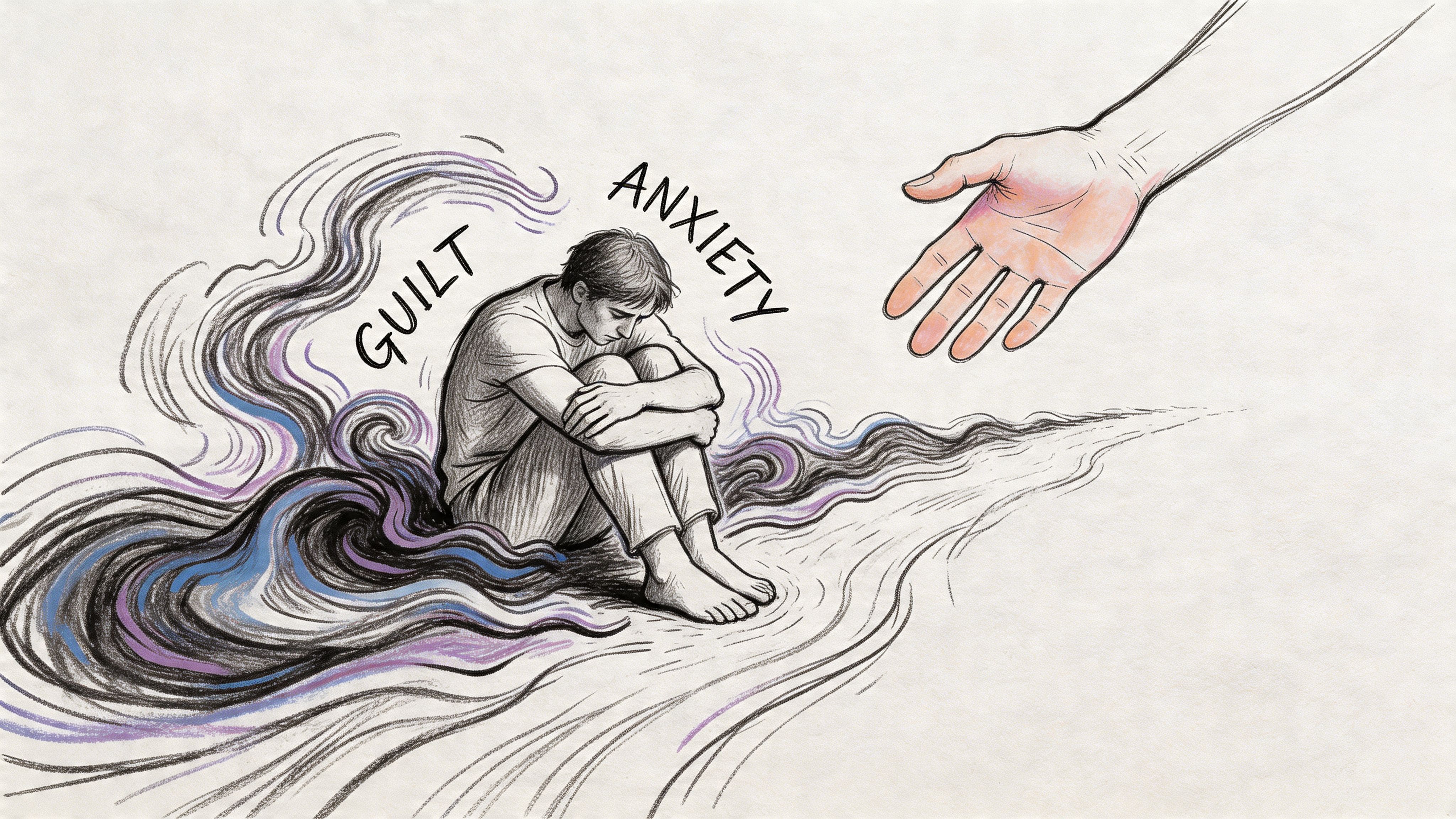
The message was clear. The aftershock is the hard part. A lot of neurodivergent people know this pattern well, especially with RSD, anxiety, or a long history of keeping the peace to stay safe socially. Your brain starts scanning for damage. "That was too blunt." "They're upset." "I need to fix this." "I should just go."
That spike can be intense enough to make you override your own limit.
Guilt is a feeling. It is not proof.
Feeling guilty after you say no does not mean you did something unkind. It often means your system is reacting to conflict, disappointment, or uncertainty. If you are used to saying yes before checking your energy, bandwidth, or sensory limits, a healthy boundary can still feel wrong at first.
I've seen this most often when the original yes would have cost too much later. Resentment. Shutdown. Recovery time you do not have. Saying no can feel sharp in the moment and still be the more honest option.
Treat the first wave of guilt as information about activation, not as a verdict on your character.
Regulate first. Interpret later.
Do not review the friendship while your body is in alarm mode.
A short reply, a delayed reply, or no reply for an hour can set off a whole chain of stories. That is where many people send the extra apology text that reopens the decision they already made. Give your body something concrete to do before you give your mind another social problem to solve.
Use a short reset:
1. Put your phone out of reach for five minutes.
2. Exhale slowly and relax your jaw, shoulders, and hands.
3. Name what is happening without adding a story. For example, "I said no, and now I feel activated."
4. Check for body needs. Water, food, quiet, meds, lower light, less noise.
5. Wait until the urgency drops before rereading the conversation.
If your brain tends to blank out under stress, save this as a note or keep it in tonen so you do not have to generate a coping plan from scratch every time.
Give yourself more than one interpretation
RSD makes ambiguous responses feel painfully clear. A simple "ok" can read like rejection, anger, or the beginning of the end. Sometimes it means that. Often it does not. It can also mean they are busy, distracted, tired, or accepting your answer without fuss.
Use a quick reality check:
- What are three possible explanations for their response?
- Which one is neutral, not catastrophic?
- What evidence do I have right now?
- Am I trying to get certainty because uncertainty feels unbearable?
That last question matters. The urge to fix, explain, or over-apologize usually comes from trying to end uncertainty fast. It does not usually create better boundaries.
> A friend can feel disappointed and still respect you.
Build a post-no ritual your brain can trust
The goal is not to feel great immediately. The goal is to teach your system that setting a limit is survivable.
Pick one or two actions you can repeat every time. Predictability lowers cognitive load, which is especially helpful if social stress scrambles your thinking.
Try:
- A sensory reset, such as dimmer lights, headphones, or a weighted blanket
- A movement reset, like pacing, stretching, or shaking out your hands
- A containment cue, such as writing "I already answered" on paper
- A transition task, like unloading the dishwasher, folding laundry, or making tea
- A tone check, if you keep replaying how you sounded and want reassurance before sending any follow-up later
If post-boundary spirals hit hard, this guide on what to do when you feel overwhelmed can help you choose a next step that settles your body before guilt turns into backtracking.
You do not need to like disappointing people. You do need a way to stay with your answer long enough for the panic to pass. That is the skill.
Frequently Asked Questions About Saying No
Some situations need more than a one-line script. These are the edge cases people usually worry about.
What if my friend keeps asking after I already said no
Don't keep inventing new explanations. Use a sequential response.
A two-step version can sound like this:
1. First response
- "I can't make it tonight, but I hope you all have fun."
2. If they push
- "I'm still not available. Please go ahead without me."
If you want, you can add an alternative once. Don't add five.
- "I can't do tonight, but I'm free for coffee next week."
- "I'm skipping the group plan, but I'd be up for a one-on-one soon."
If they keep pressing after that, stop treating it as a wording problem. It's a respect problem.
Is it selfish to say no to friends
No. It's selfish to expect endless access to someone else's time and energy.
Friendship isn't proven by constant availability. Healthy friendship includes room for limits, tiredness, changing capacity, and different needs. If your yeses are built on guilt, the friendship may look smoother from the outside, but it usually feels worse on the inside.
What if I already said yes and now I need to back out
Back out as soon as you know. Don't wait until the last minute because you feel guilty.
Use a short repair message:
- "I need to back out of tonight. I'm sorry for the change."
- "I said yes too quickly and I need to cancel."
- "I'm not going to make it after all."
You don't need a dramatic confession. You need a timely, respectful update.
Should I tell my friend I'm overwhelmed, overstimulated, or dealing with executive dysfunction
Only if it helps you. You're allowed to share context, but you're not required to disclose in order to earn the right to have a boundary.
A good rule is this: explain to connect, not to justify. If the explanation helps closeness, use it. If it turns into self-defense, keep it simpler.
What if I'm scared they'll stop inviting me
That fear is real. Sometimes people do invite less when you say no often. But the better question is what kind of invitations you want to keep receiving.
If a friendship can only continue when you override your limits, that isn't a stable friendship. A stronger pattern is selective yeses. Say no clearly when you need to, and when you do want connection, be intentional.
Try:
- "I can't do the party, but I'd love a quieter hangout."
- "Evenings are hard for me. Daytime is usually easier."
- "Big groups aren't my thing, but I still want to see you."
That teaches people how to include you in ways that work.
Saved scripts and downloaded Calm exercises can be used offline. Reply Helper, Perspective Helper and Debrief use online processing, so do not treat them as an offline private notebook. Review tonen’s privacy policy before sharing sensitive information.